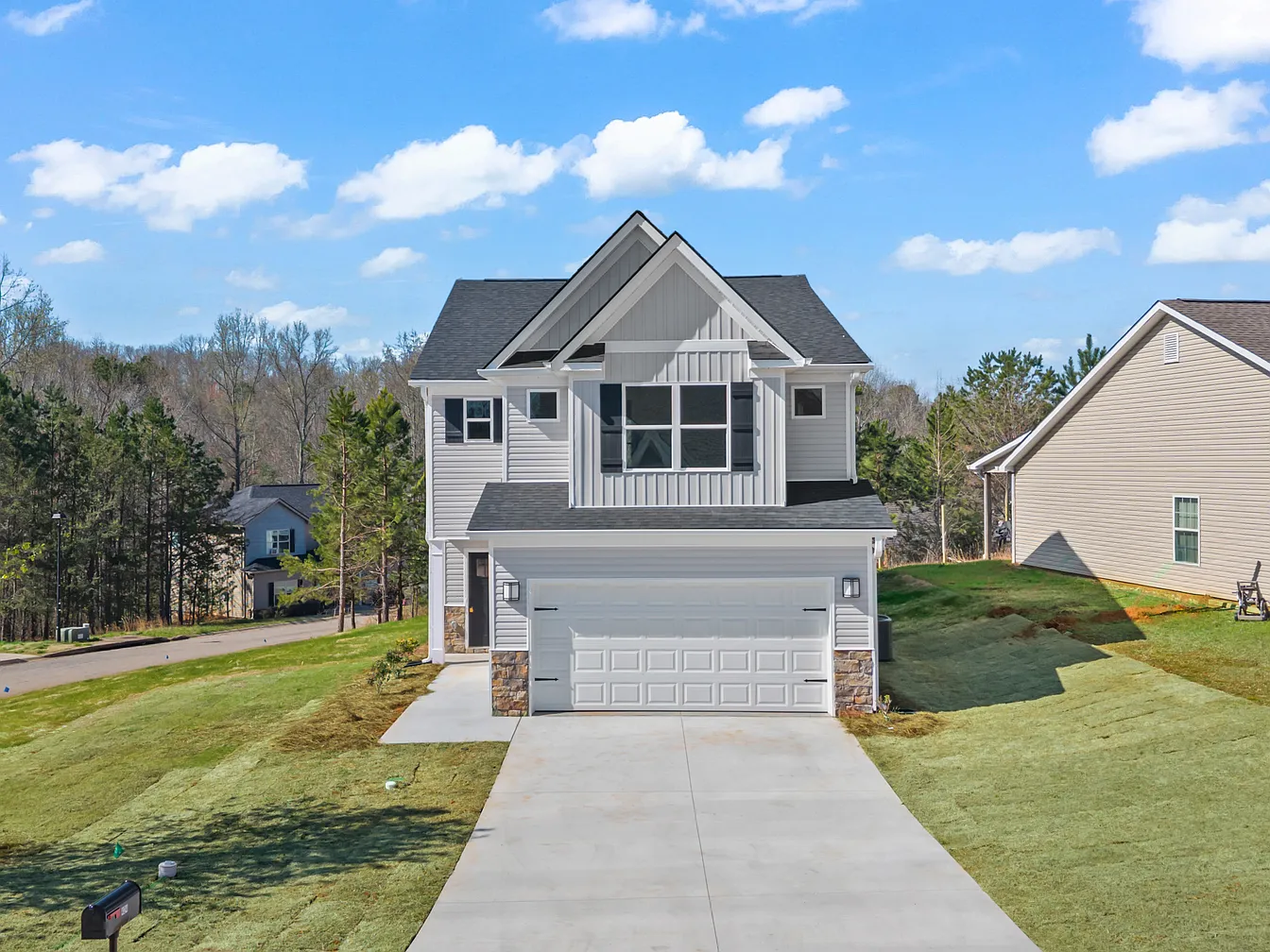

Hall County Code Inspections vs. Private Home Inspections: What New-Construction Buyers Should Know

by Shannon Sanborn

Gainesville & Hall County Real Estate Insights — The Flying Realtor, Shannon Sanborn, eXp Realty

Hall County new construction inspections and a private home inspection sound like the same thing, but they do different jobs. The county or city checks the work against the codes for the permit. A private inspector you hire works for you. The builder runs its own blue-tape walkthrough, and I have a separate role as your agent. Here’s how the four fit together in Gainesville and Hall County. If you just want the shorter answer on whether a new home needs an inspection at all, start with Do I Need a Home Inspection on a New Construction Home in Gainesville, GA?

What’s the Difference Between Hall County New Construction Inspections and a Private Inspection?

The Short Answer Hall County or municipal code inspections are done for the jurisdiction and check permitted work against the adopted codes at set stages. A private inspection is hired by you and reports to you. The builder’s blue-tape walkthrough is the builder’s own process for listing fixes before closing. As your agent, I help schedule inspections and track fixes, but I don’t inspect, diagnose or certify anything.

Last reviewed: November 21, 2026. General information, not inspection, engineering or legal advice. Codes, county procedures and builder contracts change, so confirm the details for your home and your purchase agreement.

What Do Hall County’s Code Inspections Cover?

Verified: Hall County’s typical inspection sequence for new one- and two-family homes includes a footing and foundation inspection, slab inspections where they apply, electrical, plumbing and HVAC rough-ins, a framing inspection before insulation and drywall, an insulation inspection, and a final inspection. The county says a Certificate of Occupancy must be issued before anyone moves in.

Verified: Hall County’s adopted codes page says that for permits issued on or after January 1, 2026, the county uses newly adopted editions of the Georgia State Minimum Standard Codes, including the 2024 International Residential Code with Georgia amendments for building. Homes inside a city such as Gainesville or Flowery Branch may be permitted and inspected by that city instead, so confirm which office has your permit.

What that means: Code inspections are done for the jurisdiction. They check the work against the adopted codes at set points in the build. They aren’t a punch list, they don’t report to you, and they aren’t meant to judge workmanship that meets code but still looks sloppy.

What Does a Private Inspection Add Beyond the Code Inspections?

A qualified, independent home inspector works for you, on your schedule, and evaluates the home’s visible systems and components. They can look at things the county doesn’t focus on, write up workmanship items, and give you a document to hand the builder while there’s still time to fix things.

Many buyers book a private inspection before drywall and again before closing, and some add one before the builder’s warranty period ends. My pre-drywall inspection guide covers the first of those visits, and my guide to what a new construction home warranty covers explains why warranty deadlines matter.

Check your contract: Builders set their own rules for site access, scheduling and who can attend. Read your purchase agreement for its inspection terms before you sign, and get the builder’s process for scheduling a third-party inspection in writing.

How Do You Choose a New-Construction Home Inspector?

Georgia doesn’t currently issue a statewide home-inspector license (a 2026 bill to create one wasn’t enacted), so choosing a qualified, independent home inspector is up to you. Before you hire one, ask about:

  • Training and experience: how long they’ve been inspecting homes and how many they’ve done.
  • Professional certifications: which organizations certify them and whether those certifications are current.
  • Insurance: proof of the coverage they carry.
  • Inspection scope: a written list of what they will and won’t inspect at each visit.
  • A sample report: ideally one from a pre-drywall or final new-construction inspection.
  • New-construction experience: how many new homes they inspect, and whether they’ve worked with your builder’s scheduling and site-access rules.

How Is the Builder’s Walkthrough Different?

The builder’s walkthrough, often called a blue-tape walkthrough, is the builder’s process for showing you the finished home and listing cosmetic and functional items to fix before closing. It’s useful, and you should take it seriously. But the builder runs it, and it isn’t an independent inspection. My guide to the blue-tape walkthrough walks through how it usually works.

My take: Do both. Have the inspector’s report in hand before the blue-tape walkthrough, so the items on it end up on the builder’s list in writing.

What Do I Do as Your Agent?

I’m a REALTOR® with more than 20 years in residential construction behind me: framing, electrical, plumbing, HVAC, windows, siding, trim and remodeling. On a new home, that background helps me notice things worth asking about and push for clear answers. It doesn’t make me an inspector, and I don’t inspect, diagnose or certify anything. Here’s how the roles split: I notice and point things out, your home inspector evaluates the house, a specialist or engineer confirms anything the inspector flags for a closer look, and the county or city code inspector checks the work against the adopted codes.

Here’s what I do as your agent:

  • Help you schedule inspections at the right stages.
  • Attend inspections when permitted and practical.
  • Make sure each report gets to the builder in writing.
  • Keep track of what the builder agrees to fix and when.

If you want to know what catches my eye on a final walkthrough, I wrote that up separately in 7 Things I Look for During a New Construction Walkthrough.

Does an Inspection Guarantee a Defect-Free House?

No. Inspections are mostly visual and limited to what the inspector can see and reach that day. Once the drywall is up, a lot of the house is covered. Some problems show up only after a few months of living in the home, a hard rain or the first season of heating and cooling. That’s one more reason to know your warranty terms and keep good records.

Who Does What on a New Home?

General guide only. Roles and procedures vary by builder, jurisdiction and contract.
Who Works for What they do What they don’t do
County or city building inspector The jurisdiction Checks the work against the adopted codes at set stages; final inspection before the Certificate of Occupancy Report to you, write a punch list or judge workmanship beyond code
Qualified, independent home inspector You Evaluates the home’s visible systems and components and writes a report for you, often before drywall and before closing Guarantee a defect-free house or see behind finished walls
Specialist or engineer You, when needed Confirms the condition of one system or structure the inspector flags, such as framing, drainage or HVAC Replace the general home inspection
Builder’s walkthrough (blue tape) The builder Shows you the finished home and lists items to fix before closing Act as an independent inspection
Your agent (me) You Notices and points out concerns, schedules inspections, gets reports to the builder in writing, tracks fixes Inspect, diagnose or certify anything

Frequently Asked Questions About Hall County New Construction Inspections

What’s the difference between a Hall County code inspection and a private home inspection?

A Hall County or city code inspection is done for the jurisdiction and checks permitted work against the adopted codes at set stages of the build. A private home inspection is hired by you, reports to you, and can write up workmanship items the code inspections aren’t meant to cover.

Does Hall County inspect a new home before move-in?

Yes. Hall County’s typical sequence for new one- and two-family homes ends with a final inspection, and the county says a Certificate of Occupancy must be issued before anyone moves in. Homes inside a city such as Gainesville or Flowery Branch may be inspected by that city instead.

Is the builder’s blue-tape walkthrough the same as an inspection?

No. The builder runs the walkthrough and lists items to fix before closing. It’s useful, but it isn’t an independent inspection.

What does my agent do during new-construction inspections?

Your agent can help you schedule inspections, attend them when permitted and practical, get each report to the builder in writing and track the agreed fixes. I notice things because of my construction background, but I don’t inspect, diagnose or certify anything.

The Bottom Line

Hall County new construction inspections, a private inspection and the builder’s walkthrough each do a different job. Let the county or city do its code inspections, take the builder’s walkthrough seriously, and hire your own qualified, independent home inspector at the stages that matter.

Sources

Reviewed November 21, 2026. County procedures, codes and builder contracts change, so confirm the details for your home.

Before You Visit a Gainesville Builder: Registration and Buyer Representation

by Shannon Sanborn

Gainesville & Hall County Real Estate Insights — The Flying Realtor, Shannon Sanborn, eXp Realty

Builder registration in Gainesville GA is one of those details nobody explains until it’s too late. If you plan to have your own agent when you buy new construction, what you do before your first model-home visit, phone call or online chat can determine whether the builder recognizes that agent under its registration and compensation policy. That policy doesn’t create or cancel your representation agreement with your agent. Here’s what happens before that first visit, and why the rules aren’t the same at every builder.

What Is Builder Registration, and Why Does It Happen Before the First Visit?

The Short Answer Builder registration records your agent in that builder’s system. Your written buyer agreement is what establishes the brokerage relationship. Many builders tie it to your first contact, so decide on representation before you call, chat online, book a tour or walk into a model home. Policies vary by builder and community: some require your agent at the first visit, others don’t. Ask for the current policy in writing.

Last reviewed: November 21, 2026. General information, not legal advice. Builder policies and compensation change, so confirm the current terms for the specific community.

What Counts as Your First Visit?

It’s often earlier than people think. For some builders, the first contact isn’t walking into the model. It’s the first phone call, the online chat or the virtual tour.

Verified: Lennar’s published Broker Participation Policy says a cooperating broker must be documented on the buyer’s first interaction with a Lennar employee. That includes the first call or contact about a home or community, the first introduction by its internet sales team, the first community visit or the first self-guided or virtual tour, whichever comes first. The agent also has to accompany the buyer on the initial visit or tour. The same page says booking an appointment on its website doesn’t count as registering a REALTOR®, and that Lennar doesn’t offer cooperating-broker commissions in every community.

My take: Before you fill out a “schedule a tour” form, start a chat or stop by a model on a Saturday drive, decide whether you want your own agent. It takes five minutes and can save you a real headache later.

Do All Builders Handle Registration the Same Way?

No, and this is why I don’t hand out one rule for every builder.

Verified: Meritage Homes’ agent page says it will pay a competitive market-rate buyer’s agent commission for every represented buyer who purchases a home with Meritage, “even if you weren’t there on the first visit.” That’s very different from a policy that requires the agent at the first contact.

Policies can also differ from one community to the next and change over time. Registrations can expire, too: Lennar’s policy says its registration lasts 60 days unless it’s extended by a return visit with the agent.

Check for your community: Ask the builder’s sales office, in writing, three questions before your first visit: How do you register a buyer’s agent? Does the agent have to be there in person? Is buyer-agent compensation offered in this community, and on what terms?

Who Does the Person in the Model Home Work For?

The person in the model home works for the builder and is there to explain and sell that builder’s homes, community and purchase process. That is a legitimate and useful role, but it is not the same as representing you.

What Does Buyer Representation Look Like Before That First Visit?

Verified: Under the Georgia Real Estate Commission’s rules, a “brokerage engagement” is a written contract in which a buyer becomes the broker’s client, and a buyer broker agreement is one example. The rules define a “client” as someone who has entered into a brokerage engagement with a broker. Exclusive brokerage agreements must fully set out their terms and have a definite expiration date.

Verified: The National Association of REALTORS®’ consumer guide to written buyer agreements says that since August 17, 2024, buyers working with a REALTOR® are asked to sign a written buyer agreement before touring a home, in person or virtually. It says compensation is negotiable and not set by law, must be clearly spelled out in the agreement, and that buyers can still ask the seller to cover their agent’s compensation.

What this means for you: Before the first model-home tour with an agent, expect to sign a written buyer agreement that spells out the services, the term and the compensation. Read it, ask questions, and make sure it says what happens if the builder doesn’t pay your agent’s compensation.

How Does Compensation Work With a Builder?

Some builders offer compensation to the buyer’s brokerage, some don’t, and some only do in certain communities or under certain registration terms. It’s never automatic. That’s why the registration question and the compensation question belong in the same conversation.

Check for your community: Get the builder’s current compensation terms for that community in writing, and compare them with your buyer agreement before you sign a purchase contract.

My take: I’d rather you know exactly how compensation works before you fall for a floor plan than find out at the contract table.

What Should You Do Before Your First Model-Home Visit?

  1. Decide whether you want your own agent, before any call, chat, form or visit.
  2. If you do, sign a written buyer agreement and read the compensation section.
  3. Ask your agent to get that builder’s current registration policy for the community you’re visiting.
  4. Register the way that builder requires, which may mean your agent comes along in person.
  5. Ask whether buyer-agent compensation is offered in that community, and get the answer in writing.
  6. Keep a note of the date, the community and who you spoke with.

What If You Already Visited Without an Agent?

Then it depends on the builder. Under a policy like Lennar’s, a prior unregistered visit can make your agent ineligible for the builder’s commission. Under a policy like Meritage’s, it may not. You can still hire your own agent either way. The question is who pays for that representation, so ask the builder about its policy and talk it through with the agent before you sign anything.

Is This the Same Question as Whether You Need an Agent at All?

Not quite. This post is about timing: what to do before the first visit so your choice is recognized. Whether you want your own agent for new construction in the first place, and what that agent does through the build, is covered in Do I Really Need a REALTOR® for New Construction in Gainesville, GA?

My take: I spent 20-plus years in construction before I became a REALTOR®, and I still like model homes. I just want my buyers walking in already registered, already knowing how compensation works and already asking the right questions about the lot, the contract and the build.

Frequently Asked Questions About Builder Registration in Gainesville GA

Do I have to bring my agent on my first visit to a builder?

It depends on the builder. Some publish policies that require the buyer’s agent to be registered or present at the first contact or visit. Others say they’ll work with a represented buyer even if the agent wasn’t there the first time. Ask for the current policy in writing before you go.

Does booking a tour online count as registering my agent?

Not always. Lennar’s published policy, for example, says booking an appointment on its website doesn’t count as REALTOR® registration. Check how the specific builder registers agents before you book.

Does the builder pay my agent?

Sometimes. Some builders offer compensation to the buyer’s brokerage, but it isn’t offered in every community and isn’t guaranteed. Your written buyer agreement should spell out compensation and what happens if the builder doesn’t pay it.

Do I need a written agreement before touring a model home with an agent?

Generally, yes. Since August 17, 2024, buyers working with a REALTOR® are asked to sign a written buyer agreement before touring a home, and Georgia’s real estate rules treat a buyer brokerage engagement as a written contract.

The Bottom Line

Builder registration in Gainesville GA is a five-minute step that’s easy to miss and hard to fix. Decide on representation first, get the builder’s current policy in writing and make sure registration is handled the way that builder requires before your first visit.

Sources

Reviewed November 21, 2026. Builder policies change and vary by community, so confirm the current terms in writing.

New Construction Near Lake Lanier: Where Are Builders Building?

by Shannon Sanborn

Gainesville & Hall County Real Estate Insights: practical guides, market updates and local knowledge from The Flying Realtor, Shannon Sanborn, eXp Realty

New construction near Lake Lanier in Hall County is real, but it’s a short list, and almost none of it comes with a private dock. Here’s where builders were selling on November 20, 2026, what they claim about the water, and what I’d verify.

Where Are Builders Building Near Lake Lanier Right Now?

I’ve covered where builders are building across Gainesville in my post on where builders are actually building. This one narrows it to the lake. I grew up here and spent more than 20 years in residential construction, and lake-area lots are where I slow buyers down the most.

The short answer On November 20, 2026, I confirmed homes for sale on builder websites at four lake-area communities in Hall County. Two are detached single-family: Falcon Landing by D.R. Horton and Chestatee Cove by Lowe Properties, both with Gainesville 30506 addresses in unincorporated Hall County. Two are 55+ communities inside Gainesville city limits: Lanier Landing by Encore by David Weekley Homes, which sells in two collections, and Lake Society on Lake Lanier by O’Dwyer Homes. Shared community docks and lake views are the pattern, not private docks, and that’s mostly because of how the Corps manages the shoreline.

Last reviewed: November 20, 2026. Builder prices, inventory and amenities change without notice and are the builders’ own claims. Verify them directly before you rely on them.

Why Don’t New Lake Homes Come With Private Docks?

Because of the Corps of Engineers’ rules. Its 2004 Shoreline Management Plan calls community docks the preferred way to give access and requires them for new residential developments where they reduce environmental impact. Once a community dock permit is issued, the remaining shoreline is rezoned Protected and no new private boat docks are permitted there. Dock permits are also nontransferable. I explain the rights side in waterfront, lake access or near Lake Lanier and the permit side in my dock permit guide.

So in a new lake community, the questions are about the shared dock: who holds its permit, how slips are assigned, and what the HOA charges. Verify any slip in the purchase contract, the HOA documents and the applicable Corps permit records.

Which Lake-Area Communities Have Homes for Sale?

Prices and features below are the builders’ own advertising as I read it on November 20, 2026. I list them so you can compare, not as an endorsement.

Detached single-family homes

Falcon Landing, D.R. Horton (4011 Peregrine Way, Gainesville 30506). D.R. Horton listed homes from $519,990. Its page says the community dock has 56 boat slips and that “most new home purchases will even include a dedicated slip.” That’s the builder’s claim, so verify any slip in the contract, HOA documents and Corps permit records. See my Falcon Landing page.

Chestatee Cove, Lowe Properties (Fishermans Cove, Gainesville 30506). Lowe Properties calls it a lakefront community on acre lots, says homes are priced from the high $600s, and says a limited number of community-dock slips are available for purchase. Its page listed one available home, at $829,900. The Census geocoder places the sales address in unincorporated Hall County. That’s worth checking, since some 30506 addresses are in Forsyth County.

55+ communities

Lanier Landing, Encore by David Weekley Homes (1311 Autumn Lake Drive SW, Gainesville 30504). A gated 55+ community selling in two collections. When I checked David Weekley’s site at 2:05 p.m. ET on November 20, 2026, the Reserve Collection listed homes from $595,990 and the Retreat Collection, on 50-foot homesites, from $492,990. Both pages list an HOA of $330 a month plus a $3,250 capital contribution, and amenities including “Lake Front,” “Lake View” and a boat and RV storage lot. I didn’t see a dock or slip on either page, so ask. I wrote a first look at Lanier Landing.

Lake Society on Lake Lanier, O’Dwyer Homes (sales office at 1956 Assembly Circle NW, Gainesville 30501). A 55+ community. When I checked O’Dwyer’s page at 2:04 p.m. ET on November 20, 2026, its floor plans started from $530,261 to $574,408, and it listed three available homes from $599,900 to $1,100,000. O’Dwyer advertises community docks with 134 boat slips and dry storage. The Census geocoder places the builder’s map pin inside Gainesville city limits.

Townhomes (listed separately)

D.R. Horton also sells Falcon Landing Townhomes, Gainesville 30506. Its page listed homes from the $325s with seven for sale. Townhomes carry different HOA, maintenance and resale questions, so I keep them in their own group.

Falcon LandingD.R. Horton, single-family, Gainesville 30506

Builder-advertised community dock and slips. Unincorporated Hall County.

Open Falcon Landing in Google Maps

Chestatee CoveLowe Properties, single-family, Gainesville 30506

Builder-advertised lakefront lots and community-dock slips for purchase. Unincorporated Hall County.

Open Chestatee Cove in Google Maps

Lanier Landing (Reserve and Retreat Collections)Encore by David Weekley Homes, 55+, Gainesville 30504

Gated 55+ community inside Gainesville city limits, two collections at one address. Ask about water access.

Open Lanier Landing (Reserve and Retreat Collections) in Google Maps

Lake Society on Lake LanierO’Dwyer Homes, 55+, Gainesville 30501

Builder-advertised community docks and dry storage. Inside Gainesville city limits.

Open Lake Society on Lake Lanier in Google Maps

What Should You Check on a Lake-Area Lot?

This is where my construction years matter. Lake-area land is rarely flat.

  • Grade and drainage. Lots that fall toward the water carry runoff, erosion and retaining-wall questions. Ask for the grading plan, then walk it after a heavy rain.
  • Retaining walls. Ask who owns and maintains them, the homeowner or the HOA, and whether an engineer designed them.
  • Sewer or septic. Ask which one the lot uses. On septic, ask where the drain field goes on a sloped lot.
  • The 1,085-foot line. On lots close to the water, ask whether any part sits below 1,085 feet or under a flowage easement. My waterfront article explains why.
  • Low-water depth. Ask how the community dock sits when the lake drops.

What About New Construction in the Lake Towns?

A lot of new construction is near the lake without being a lake community. In Flowery Branch, Hemingway sits by downtown in a lake town, but the water is a drive, not a dock. In Gainesville Township, The Manor at Gainesville Township is on the east side of the city. For the wider picture, see my Hall County growth pockets post and my new construction community directory. If you’re weighing a new build against an older lake house, read new construction vs. resale.

One more thing: talk to me before your first visit to a model home. Many builders have first-visit registration rules that can affect your representation later.

Frequently Asked Questions About New Construction Near Lake Lanier

Can I buy a new home with a private dock on Lake Lanier?

It’s rare. The Corps’ 2004 plan requires community docks for new residential developments where they reduce environmental impact, and after a community dock permit is issued, no new private boat docks are permitted on the remaining shoreline. Ask about the specific lot.

Do new lake communities include a boat slip?

Not automatically. Some builders advertise slips, but whether you get one, and whether it’s deeded, assigned or leased, depends on your contract, deed and HOA documents. Verify it in the purchase contract, the HOA documents and the applicable Corps permit records.

Are these lake communities inside Gainesville city limits?

Some are. The Census geocoder places Lanier Landing and Lake Society inside Gainesville city limits, and Falcon Landing and Chestatee Cove in unincorporated Hall County. Verify the exact lot.

Are the prices in this article current?

They’re the builders’ advertised prices as I read them on November 20, 2026, with Lanier Landing and Lake Society rechecked at about 2:05 p.m. ET that day. Builder pricing and inventory change often, so confirm with the builder and with me.

The Bottom Line

New construction near Lake Lanier in Hall County is a short list, and the lake usually comes through a shared dock or a view, not a private dock. Verify the slip, the HOA, the lot grade and the sewer before you sign. If you’re looking at a new home near the lake around Gainesville, Georgia, let’s walk the lot together before you register.

Sources

Information reviewed November 20, 2026. Prices, inventory, slip counts and amenities are builder advertising read that day and not independently confirmed. Community locations were checked with the U.S. Census Bureau geocoder.

New Construction vs. Resale in Gainesville: What Are the Real Tradeoffs?

by Shannon Sanborn

Gainesville & Hall County Real Estate Insights: practical guides, market updates and local knowledge from The Flying Realtor, Shannon Sanborn, eXp Realty

Price is only one difference between a new home and a resale home. Here is what you can inspect, what the contract and warranty cover, and when each one fits.

What Are the Real Tradeoffs Between New Construction and Resale?

Most new-versus-resale advice starts with price per square foot. I’d start somewhere else: how much can you actually find out about the house before you commit to it? I’m a Gainesville native with more than 20 years in residential construction, and that’s the question I come back to, because each kind of house hides something different. In a resale you can inspect the finished house, but what’s behind the walls and the history stay unknown. In new construction you may get inspections at stages, such as before drywall and at the end, depending on the stage and the builder’s access policies.

The short answer New construction trades a known history for new systems, current code and a written warranty, but you wait and accept the builder’s terms, and your inspection access depends on the stage and the builder’s policies. Resale lets you inspect the finished house and negotiate with a person, but systems have age and concealed conditions stay unknown. Neither wins automatically. It comes down to how you handle waiting, risk and paperwork.

Last reviewed: November 2026. General information, not legal or inspection advice. Builder contracts, warranties and local permit rules vary, so verify them for the exact home.

Money is a separate conversation, and I cover it in my cost comparison of new construction and resale in Gainesville. Here, I’m talking about everything else.

What you can see

New: plans, a lot and the stages the builder lets you see. Resale: the finished house today, but not what’s inside the walls.

What’s on paper

New: a builder’s contract and written warranty. Resale: a seller’s disclosures and inspection findings.

Who controls timing

New: the builder’s schedule. Resale: you and the seller.

The neighborhood

New: still being built. Resale: already settled, for better or worse.

What Can You Inspect on Each One, and When?

Resale. The whole house exists, so an inspector can test the systems, get on the roof and read the history. What you can’t see is what’s behind the walls and what the previous owner didn’t mention. I’d also ask for the permit history on any addition or finished basement.

New construction. Much of the work gets covered as the house goes up, so the stage matters. Hall County’s “Typical Home Inspection Process” for new one- and two-family homes lists the county’s stages: footing and foundation, slab, electrical, plumbing and HVAC rough-ins, framing, insulation and a final inspection, with a Certificate of Occupancy before anyone moves in. Those are the county’s inspections for code compliance. They aren’t working for you.

That’s where your own inspector fits. A pre-drywall inspection happens while framing and rough-ins are still visible. A final inspection happens when the house is finished. Whether you can attend either depends on the builder’s access policies, so ask before you sign. Both supplement the county’s inspections and neither replaces them. Cities can run their own permit offices, and the county page covers county permits, so ask which office handles the lot.

What Does the Age of the House Change?

Georgia’s state minimum codes are mandatory for any construction in the state, whether or not a local government enforces them. For one- and two-family homes, the current standard is the 2024 International Residential Code with Georgia amendments, revised January 1, 2026. An older home was built to whatever code was in force when it was permitted.

Code is a minimum, not a grade. A new home has no wear but no track record, and workmanship problems tend to show up in the first year or two. That’s what a punch list is for. In an older home, I’d focus on the roof, HVAC and water heater, the wiring and panel, the plumbing material, the foundation and crawlspace, and drainage, because those are the items you’ll pay to replace.

What Should You Read in a Builder Contract?

The builder usually sets the lot pricing, the selections menu and the contract terms, so read it before you’re attached to the house. I’d look for:

  • Timeline. Is the completion date an estimate or a commitment, and what happens if it slips? My page on how long a new home takes to build gives a rough planning range of six to twelve months after construction starts for many production-built homes.
  • Deposits. How much, when it’s due and when it’s refundable.
  • Inspection rights. Whether you can bring your own inspector at stages like pre-drywall and final, and how much notice the builder needs.
  • Change orders and upgrades. Priced in writing before work starts, with the effect on the schedule.
  • Lot premiums. What the premium covers. See my pages on lot premiums and negotiating a new construction price.
  • Builder incentives. Whether they depend on a preferred lender or a closing date, and what you lose if you don’t meet the condition.

Ask for the builder’s Georgia contractor license number. Hall County’s residential permit checklist lists the contractor’s state license. A Georgia real estate attorney should review the contract, because I can explain what to look for, but not what your contract means.

What Does a Builder Warranty Really Change?

Less than most buyers assume. A builder warranty is a written claims process with a coverage period, exclusions and procedures. It covers what the document says, not whatever goes wrong. My warranty page explains how coverage varies. Get the actual document before you sign, and read the exclusions and the steps for filing a claim. With resale, you generally have no builder to call, so the inspection and your negotiation before closing are your protection.

Is the Neighborhood Finished or Still Being Built?

In an established neighborhood you can see the trees, the traffic and the neighbors before you buy. In a new community you may live next to construction for a year or more, so ask what’s being built next door and when, and read the HOA rules. I keep an overview of new construction communities in Hall County, and my guide to where to live in Gainesville, Georgia compares the main areas.

How Do You Decide Between Them?

  • New construction fits when you want newer systems, can wait or take a completed inventory home, will read the contract closely and will pay for independent inspections along the way.
  • Resale fits when you need a faster, flexible closing, want an established neighborhood, or want to inspect the finished house before you commit.
  • Both need an independent inspection and a careful read of the paperwork. My new construction vs. existing homes page has the quick version.

Four questions settle most cases. Does your move date have any slack? Would you rather judge a finished house or a contract and a plan? Can you absorb a replacement roof or HVAC in the first few years? Are you comfortable with a builder’s terms? If you answer “no slack” and “finished house,” resale usually fits. If you can wait and want newer systems, new construction usually does. Neither wins automatically.

Frequently Asked Questions About New Construction vs. Resale

Does new construction need an independent inspection?

I’d get one. Hall County inspects new homes at defined stages, but those are the county’s code inspections, not a buyer’s. An independent pre-drywall and final inspection supplement them and don’t replace them, and neither guarantees every defect will be found.

Is a resale home riskier than new construction?

It’s a different risk. Resale risk is age and unknown history. New construction risk is unproven workmanship and a schedule you don’t control. Either is manageable with inspections and a careful read of the paperwork.

How long does new construction take?

My build-time page gives a rough planning range of six to twelve months after construction begins for many production-built homes. Completed inventory homes can be available much sooner. The real timeline depends on the builder, permits, lot, weather, labor and inspections.

What can I negotiate on each?

With resale you can negotiate price, repairs, credits and the closing date with the seller. With a builder, base price is often firmer, and the conversation usually shifts to incentives, upgrades and lot terms. Get everything in writing, and have an attorney review a builder contract.

Does a builder warranty make new construction safer?

It adds a claims process, not a guarantee. Coverage depends on the builder and the written warranty, including exclusions and procedures. Read the actual document before you sign.

The Bottom Line

Pick the kind of uncertainty you can live with. New construction’s uncertainty is the schedule and the workmanship you can’t see. Resale’s is the age and history of what’s already there. If you’re comparing both around Gainesville, Georgia, I’m happy to walk each house through with you.

Sources

Information reviewed November 20, 2026. Contracts, warranties and permit rules vary by builder, city and county. Verify them for the exact home.

New Construction in Gainesville, GA: Where Builders Are Actually Building

by Shannon Sanborn

Gainesville & Hall County Real Estate Insights: practical guides, market updates and local knowledge from The Flying Realtor, Shannon Sanborn, eXp Realty

New construction around Gainesville is not spread evenly across the map. Most of it is concentrated in several corridors, and the location can matter just as much as the builder or floor plan. If you are relocating here, do not start by picking the prettiest model home. Start by understanding where the community sits, which roads you will use and what is planned around it.

The short answer: As of November 18, 2026, verified active building is occurring in eastern Gainesville around the 30507 corridors, northern and northwestern Gainesville, Gainesville Township, the Lake Lanier side of Gainesville and several South Hall communities near Oakwood and Flowery Branch. Availability changes quickly, so verify the exact community, homesite and construction phase before relying on any list.

Looking specifically for a new home near Lake Lanier, and whether it comes with a shared dock or just a view? I cover that separately in New Construction Near Lake Lanier.

Select a verified community

Active New Construction Around Gainesville

Avery Ridge Avery Ridge by Centex on the Gaines Mill Road side of Gainesville.
Community status and inventory change. Verify current availability and builder registration requirements before visiting.

This map shows the major new-construction corridors rather than implying that every marker is inside Gainesville city limits. Community status should be reviewed within 72 hours of publication.

Start With the Corridor, Not the Model Home

I have spent more than 20 years working around residential construction and remodeling. One thing I want buyers to understand is that you can change countertops later. You cannot move the lot, straighten the road or shorten the drive after closing.

That is why I separate Gainesville-area new construction into practical geographic groups. These are not official market boundaries. They are a way to understand how the location will function after the excitement of the model-home visit wears off.

East Gainesville and the 30507 Side

Eastern Gainesville includes development around Gillsville Highway, Athens Highway, Highway 129 and the routes leading toward Highway 365. This side has a combination of established residential areas, industrial and employment uses, rural land and newer subdivisions.

Examples verified on builder websites on November 18, 2026 include Oconee Overlook by D.R. Horton and Avery Ridge by Centex. Both were advertising active single-family opportunities when this article was reviewed. Builder inventory, pricing and sales status can change without notice.

If Avery Ridge is on your list, I compare its floor plans from a builder's eye.

Before buying here, map the exact route to downtown, Northeast Georgia Medical Center, I-985 and the places you will visit every week. A Gainesville address does not automatically mean a short drive to the square.

Gainesville Township and Central Growth

Gainesville Township is a large, multi-builder development on the eastern side of the city. The area includes different home types, builders and phases rather than one uniform neighborhood. The Court at Gainesville Township by Lennar and The Reserve at Gainesville Township by Century Communities were actively selling when reviewed.

The important question is not simply whether you like the amenities. Ask which builder controls the homesite, which phase surrounds it, what future streets or housing types are shown on the available plans and whether construction traffic will continue after you move in. Read my Gainesville Township guide before treating the entire development as one product.

If you're down to builders, I compare Century, Peachtree and Lennar in Gainesville Township.

North and Northwest Gainesville

North and northwest Gainesville place buyers closer to Thompson Bridge Road, Cleveland Highway, northern Hall County and portions of Lake Lanier. New construction here may include production communities, smaller builder projects and scattered new homes rather than one continuous building corridor.

Falcon Landing by D.R. Horton was actively selling single-family homes on the Lake Lanier side of Gainesville when reviewed. Because the builder advertises community dock features and assigned slips, buyers should verify the recorded community documents, specific slip arrangements, current fees and all applicable shoreline approvals. A website description is a starting point, not the end of due diligence. I compare Falcon Landing with the other lake-area communities in Hall County, and what their dock claims really mean, in my Lake Lanier new construction post.

South Hall, Oakwood and Flowery Branch

South Hall generally gives buyers more direct access to I-985 and the routes toward Gwinnett County and Atlanta. Oakwood and Flowery Branch are separate cities, even though relocation buyers often group the entire corridor into “Gainesville.”

New communities in this part of Hall County frequently compete on commute access, amenities and proximity to shopping. Eastlyn Crossing by Ashton Woods in Flowery Branch was advertising active single-family opportunities when reviewed. Before choosing South Hall solely for the interstate, test your route at the hour you expect to travel. The time spent reaching an interchange can matter as much as the interstate mileage.

Comparing Gainesville-Area New Construction?

Use my new-construction community directory to compare verified communities by location and builder. If you are relocating, start with the roads and your normal routine before narrowing the list.

Production Community, Local Builder or Scattered Lot?

Not every new home is sold the same way. A large production community may offer model homes, preset floor plans, amenity packages and builder incentives. A smaller local-builder neighborhood may have fewer homes and more variation. Scattered-lot construction may place a new house inside an established area without a large amenity package or sales center.

None of those is automatically better. The right fit depends on how much certainty, customization, neighborhood buildout and ongoing construction you are comfortable with.

What Buyers Should Compare Beyond the Floor Plan

Grading and drainage

Walk the lot and look at where water is likely to travel. Pay attention to slopes, neighboring grades, retaining walls and usable yard space. Fresh sod can make a difficult grade look better for a model-home visit than it will feel after heavy rain.

Lot premium and included features

Ask for the base specifications, lot premium, structural-option pricing and design selections in writing. The advertised starting price may not resemble the home you toured.

Future phases and surrounding land

A wooded view is not automatically permanent. Review available plats, recorded documents and development information. Ask what is planned across the street, behind the lot and at the community entrance.

Real driving routes

Map work, school, healthcare, groceries, church and recreation from the exact address. Do not rely on the builder's mileage list or an off-peak Saturday drive.

Frequently Asked Questions

Are all Gainesville new-home communities inside the City of Gainesville?

No. A Gainesville mailing address can be inside the city or in unincorporated Hall County. Verify municipal boundaries, utilities, taxes and school assignment for the exact property.

Does new construction mean the house will be problem-free?

No. New homes still involve many trades, materials and inspections. I recommend discussing independent inspections at the appropriate stages, subject to the builder contract and access rules.

How current is this community information?

The examples were reviewed on November 18, 2026. Builder inventory, pricing, incentives and sales status can change quickly. Confirm everything directly before making a decision.

The Bottom Line

Gainesville-area new construction is a location decision before it is a countertop decision. Understand the corridor, inspect the lot, compare the complete price and verify what will surround the home. Then decide whether the floor plan still makes sense.

Let’s Build Your New-Construction Shortlist

Tell me your budget, preferred commute, timing and what matters most in a homesite. I can help you compare verified communities without pretending every builder or location fits every buyer.

Schedule a conversation with Shannon

Sources

7 Things I Look for During a New Construction Walkthrough After 20+ Years in Construction

by Shannon Sanborn

Gainesville & Hall County Real Estate Insights: practical guides, market updates and local knowledge from The Flying Realtor, Shannon Sanborn, eXp Realty
On a new construction walkthrough, I check: door and window operation, HVAC layout and airflow for anything that raises a concern, grading and drainage around the foundation, electrical panel labeling and outlet spacing, caulking and flashing at exterior penetrations, cabinet and trim installation quality, and whether the punch list items from the pre-drywall stage actually got fixed. Many of these are easy to overlook if you don’t know what to look for.
 
20+ Years of Construction
Changes What I Notice

Before I was a REALTOR®, I spent 20+ years building and remodeling homes myself. I walk your new construction home the same way I'd walk my own job site.

Shannon Sanborn • The Flying Realtor

This is general guidance from construction experience, not a substitute for a licensed third-party inspection. Ask Shannon for a referral.

Most buyers walk a new construction home once — maybe twice if they’re diligent — before closing, and they’re looking at it the way any non-builder would: does it look finished, does it look clean, does everything look new. That’s a reasonable instinct, but it’s not actually evaluating quality. New homes can hide real problems behind fresh paint and clean carpet just as easily as a resale home can. Many of these issues can be easy to overlook if you don’t know what to look for.

I spent more than 20 years actually building and remodeling homes before I became a REALTOR®, and that background changes what I notice the moment I walk through a front door. Here are the seven things I check on every new construction walkthrough, and why each one matters more than it looks like it should.

1. Do Doors, Windows, and Floors Operate and Feel the Way They Should?

You can’t see the framing once drywall is up, so I’m not evaluating what’s hidden behind the walls at this stage — that’s exactly why a pre-drywall inspection matters, and why I check back against whatever was documented at that stage. What I can evaluate at a final walkthrough is how the finished home actually behaves: do doors close flush without dragging or needing extra force, do windows open and latch smoothly, are there any visible irregularities in alignment from room to room.

I also walk the floors, paying attention to any noticeable bounce, squeak, or unevenness, particularly in larger open-concept spaces. This isn’t a technical structural evaluation — it’s a practical check of whether the finished home feels solid, which most buyers simply don’t have a reference point for without having spent time in a lot of different homes under construction.

2. Does the HVAC Layout and Airflow Raise Any Concerns?

Whether an HVAC system is correctly sized for a home is a technical determination — it involves load calculations and factors that genuinely require specialized tools and training, and it’s not something I’m claiming to verify just by walking through with you. That’s a question for a qualified HVAC professional or your inspector, not a walkthrough.

What I do check is whether the layout and airflow raise any obvious concerns worth asking about. Does a room with large windows or significant exterior wall exposure seem to be getting noticeably weak airflow at the register? Are there any rooms that feel unusually warm or cold relative to the rest of the home during the walkthrough? None of this tells us definitively whether the system is properly sized, but it can be a reason to ask the builder a specific, pointed question, or to flag it for your inspector to look at more closely.

3. What Does the Grading and Drainage Around the Foundation Actually Look Like?

This is one of the most consequential things on this entire list, and it’s also one of the easiest for an untrained buyer to miss entirely, because it doesn’t look dramatic — it’s just dirt.

Water needs to drain away from your foundation, not toward it or pool against it. I walk the full perimeter of the home checking the grade slope, looking for any low spots where water could collect against the foundation wall, checking that downspouts actually direct water away from the house rather than dumping it right at the foundation, and looking at how the lot’s overall drainage pattern interacts with neighboring lots. Georgia’s clay soil makes this particularly important — clay doesn’t drain well on its own, and poor grading combined with clay soil is a genuinely common source of foundation and moisture problems down the road, problems that are dramatically cheaper to fix before you close than after.

4. Is the Electrical Panel Properly Labeled, and Are Outlets Where You’ll Actually Need Them?

An unlabeled or incorrectly labeled electrical panel is a small thing that becomes a real annoyance the first time you need to flip a breaker during an actual emergency and can’t quickly tell which one controls which part of the house. I check this every time, along with general outlet placement and spacing throughout the home — are kitchen counter outlets placed where you’d actually use small appliances, is there adequate coverage in bedrooms and home office spaces, does the garage have the outlets a typical household actually needs.

This is also a good moment to confirm any electrical upgrades you specifically requested during the design center process actually made it into the home as built — a surprising number of buyers discover a requested upgrade was missed only after closing, when it’s a far bigger hassle to correct.

5. Is Exterior Caulking and Flashing Done Correctly Around Windows, Doors, and Other Penetrations?

Every place where something penetrates the exterior envelope of your home — windows, doors, dryer vents, hose bibs, any exterior fixture — is a potential point of water intrusion if it wasn’t properly flashed and sealed during construction. This is genuinely one of the most common sources of long-term moisture problems in otherwise well-built homes, and it’s also one of the easiest things for a rushed crew to shortcut, because a sloppy caulk line looks fine to an untrained eye on move-in day and only reveals itself as a problem years later.

I check caulking lines for consistency and completeness around every exterior penetration I can access, and look for any visible gaps or inconsistent sealant application that would suggest the same shortcuts were taken elsewhere on the home where I can’t see them.

6. Is the Cabinet and Trim Work Actually Installed Correctly, Not Just Finished to Look Good?

Cabinets and trim are some of the most visually prominent finishes in a home, which also makes them some of the easiest to make look acceptable on the surface while cutting corners underneath. I check that cabinet doors and drawers operate smoothly and close flush, that cabinet boxes are actually secured properly to the wall rather than just looking level, and that trim and baseboard transitions are clean and properly mitered rather than relying on heavy caulk to hide gaps.

This matters beyond aesthetics. Poorly secured cabinetry becomes a real problem once you start loading it with dishes and cookware, and trim that’s held together with caulk rather than a proper joint tends to crack and separate within the first year or two as the home settles.

7. Were the Punch List Items From the Pre-Drywall Stage Actually Fixed?

If you had a pre-drywall inspection done — and I recommend every buyer do one — this final walkthrough is your chance to confirm that whatever issues were flagged at that stage actually got corrected, not just marked complete on a builder’s internal checklist. I specifically go back through the original punch list item by item during the final walkthrough, rather than assuming everything was handled just because the home looks finished now.

This is also where I create a new, final punch list for anything still outstanding, and get the builder’s written commitment on when those remaining items will be addressed — ideally before closing, or with a clear, documented plan if something has to be completed afterward.

Why This Matters More Than Buyers Realize

None of these seven things require tearing into a wall or bringing specialized equipment. They require knowing what you’re actually looking at and what “correct” looks like — which is exactly the gap between a buyer walking through a home for the first time and someone who’s spent two decades actually building them. The builder representative represents the builder’s interests, which is why I believe buyers benefit from having their own representation and an independent inspector alongside them.

This list also isn’t a replacement for a licensed, independent, third-party inspection — I recommend one on every new construction purchase regardless of builder reputation. What I bring to the walkthrough is a second, construction-trained set of eyes in addition to that inspection, catching things in real time as we walk the home together rather than waiting for a written report days later.


Frequently Asked Questions

What should I look for during a new construction final walkthrough?
Door and window operation, floor feel and visible alignment, HVAC layout and airflow, grading and drainage, electrical panel labeling and outlet placement, exterior caulking and flashing, cabinet and trim installation, and confirmation that pre-drywall punch-list items were corrected.

Do I still need a professional inspector if I do a careful walkthrough myself?
Yes. A careful walkthrough, especially with someone who has construction experience, catches a lot — but a licensed third-party inspector has tools and training to catch things that aren’t visible to the eye, and the two should be used together, not as substitutes for each other.

Why does grading and drainage matter so much on a new home?
Water that isn’t properly directed away from the foundation can lead to long-term moisture and foundation problems, which are far more expensive to fix after you’ve closed than to catch and correct before. Georgia’s clay soil makes proper grading especially important.

What’s the most commonly missed issue on a new construction walkthrough?
In my experience, exterior caulking and flashing around windows, doors, and other penetrations is one of the most commonly overlooked issues, since a sloppy seal looks fine on move-in day and only becomes a visible problem years later.

Should I bring a checklist to my own walkthrough?
Yes — having a written checklist, even a simple one, helps you stay systematic rather than just walking through admiring finishes. The seven items above are a strong starting point for any buyer doing their own walkthrough.


Why Work With The Flying Realtor?

What sets me apart is 20+ years of experience in all phases of new construction homes — from framing and electrical to roofing, siding, doors, windows, cabinets, and structural repairs. I’ve worked on homes from the ground up, which means when I walk your new construction home with you, I’m not guessing at what “normal” looks like — I built it for two decades before I ever showed one for sale.

That experience allows me to see beyond cosmetic finishes and provide insights that help protect one of your biggest investments — especially when buying new construction in Hall County.

When you work with me, you’ll get honest advice, responsive communication, and a trusted advocate who is committed to helping you achieve your real estate goals — not just complete a transaction. When you allow me the opportunity to help you purchase a new construction home, you’ll also receive a complimentary 3-Year Extended 2-10 Warranty that begins the moment your builder’s 1-year warranty ends — real, ongoing protection at no additional cost to you.

Explore Hall County Communities

Every community has its own unique character, lifestyle, and opportunities. Explore Gainesville, Flowery Branch, Oakwood, and Lake Lanier to find the local knowledge you need.

Visit the New Construction Resource Center

Explore builders, floor plans, upgrades, warranties, and the home building process in more depth at the New Construction Resource Center.

Want Me to Walk Your Next New Construction Home With You?

Book a free consultation and let's make sure nothing gets missed between the model home and your closing table.

Book My Free Consultation →

About the Author

This guide was created by Shannon Sanborn, The Flying Realtor with eXp Realty.

With more than 20 years of construction experience and local knowledge of Gainesville and Hall County, Shannon helps buyers and sellers make informed real estate decisions.

Whether you’re buying, selling, or exploring new construction in Gainesville or Hall County, ExploreGainesvilleGA.com is your local real estate resource.

Oakwood Terrace vs. The Reserve Sawnee Plan: Townhome Showdown in Hall County

by Shannon Sanborn

Gainesville & Hall County Real Estate Insights: practical guides, market updates and local knowledge from The Flying Realtor, Shannon Sanborn, eXp Realty
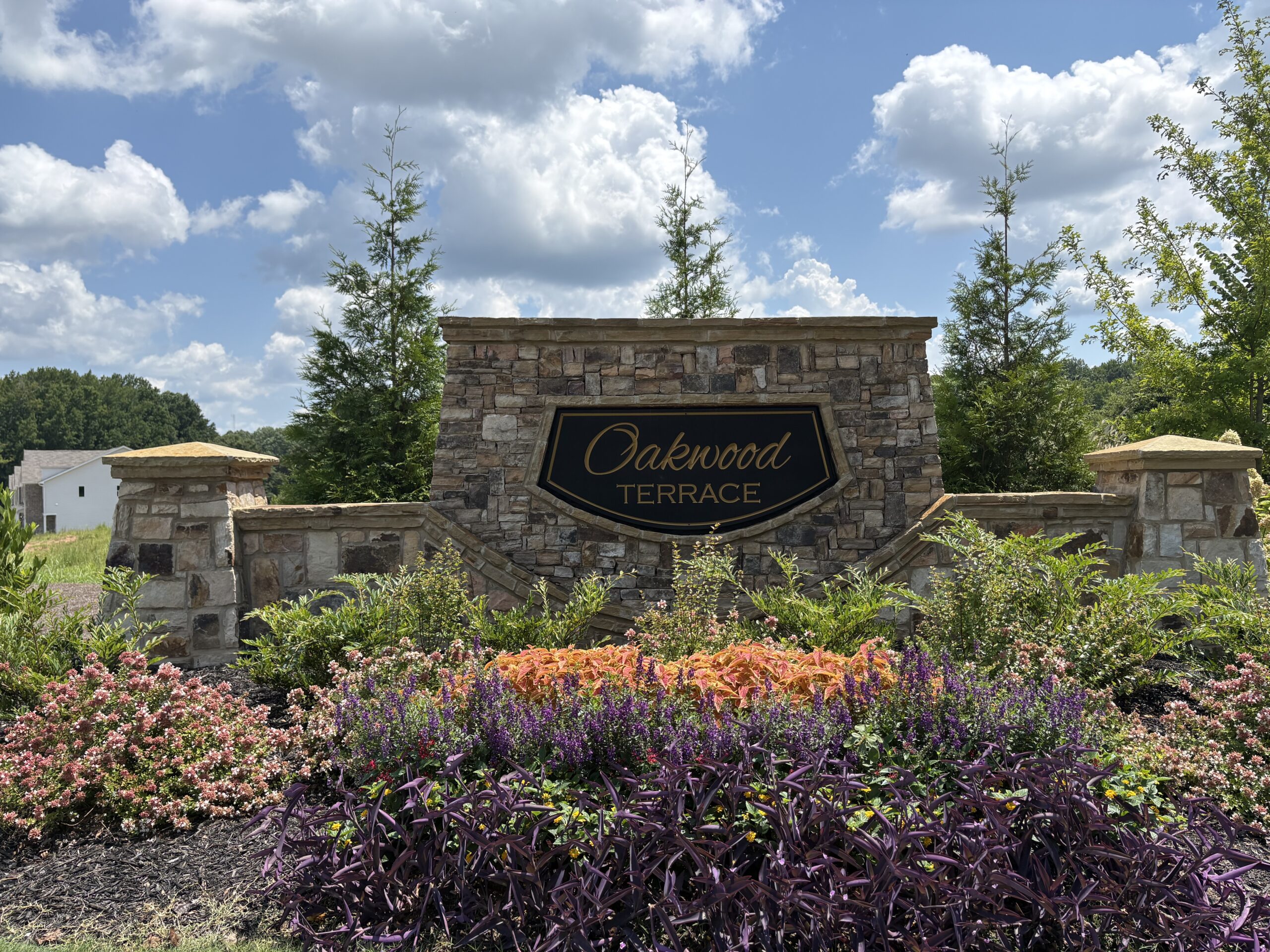
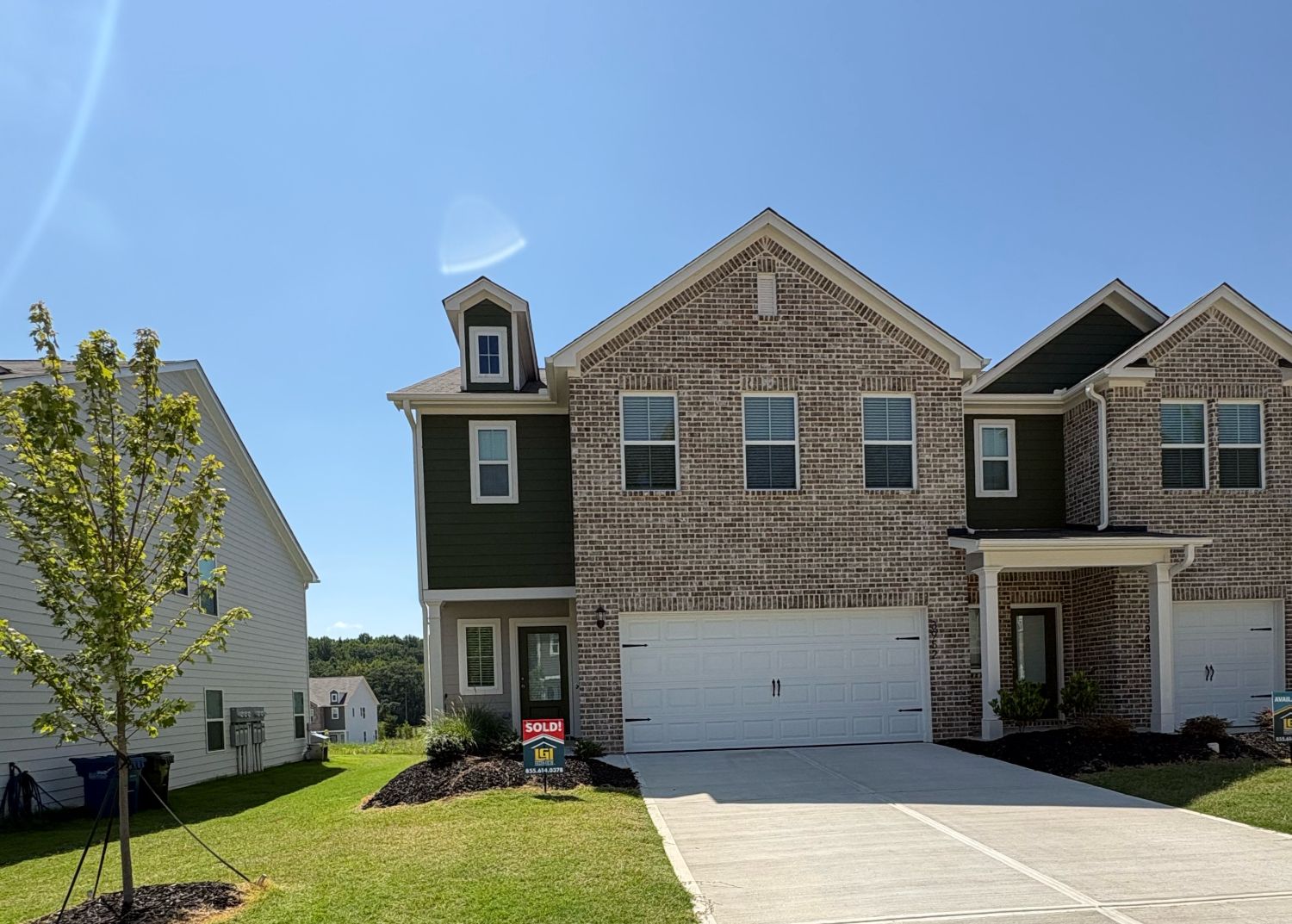
LGI Homes Oakwood GA
 
Oakwood Terrace by LGI Homes and the Sawnee plan at The Reserve by Century Communities are two of Hall County's most-compared new construction townhomes. Oakwood Terrace starts lower and includes more finishes standard; the Sawnee plan is larger, includes a 2-car garage, and sits inside Gainesville Township's resort-style amenity package. The right choice depends on whether budget or amenities matter more to you.
 

Both of these communities come up constantly when buyers ask me about townhomes in Hall County under $400,000, and it's easy to see why — they're both strong options, built by two very different national builders, sitting in two very different kinds of communities. I've toured both in person, and the honest answer is neither one is universally "better." They're built around genuinely different priorities, and the right choice for you depends on which of those priorities actually matters more in your day-to-day life.

Here's the full, honest comparison, not just a spec sheet side by side.

How Do Oakwood Terrace and The Reserve's Sawnee Plan Compare on Price?


Two Townhomes, Two Very
Different Trade-Offs

I've walked both communities and can tell you exactly where each one actually wins — not just the marketing pitch from either sales office.

Shannon Sanborn • The Flying Realtor

Pricing and availability change frequently and are subject to builder confirmation. Ask Shannon for current details.

Oakwood Terrace (LGI Homes) has priced its two floor plans roughly $323,900 to $385,900.

The Sawnee plan at The Reserve (Century Communities, Gainesville Township) has priced around $369,990 to $379,000.

At first glance, Oakwood Terrace looks like the clear budget winner, and if you're comparing its entry-level Hawthorne plan against the Sawnee plan, that's genuinely true — the Hawthorne gives you the lowest starting price point of the two communities by a meaningful margin. But once you're comparing the Sawnee plan against Oakwood Terrace's larger Laurel plan instead, the price gap narrows significantly. At that point, you're not really making a price decision anymore — you're weighing size, garage space, and amenities against each other, with price being a relatively minor differentiator.

This is exactly the kind of nuance that gets lost when buyers just compare "starting price" between two communities without asking which specific floor plan they're actually comparing.

How Do the Floor Plans Compare in Size?

Oakwood Terrace:

  • Hawthorne: 3 bed, 2.5 bath, 1,740 sq ft, 1-car garage
  • Laurel: 4 bed, 2.5 bath, 2,252 sq ft

The Reserve, Sawnee plan:

  • 3 bed, 2.5 bath, roughly 1,842–1,855 sq ft, 2-story, 2-car garage

Square footage alone tells part of the story, but the garage situation is worth calling out specifically because it's genuinely one of the more consequential differences between these two options. The Sawnee plan's 2-car garage is a real, tangible advantage over Oakwood Terrace's Hawthorne plan, which only offers a single bay. Garage space is one of the more expensive things to add after the fact — you're not casually bolting on a second bay after closing the way you might update a light fixture — so this is worth weighing heavily if a second vehicle, storage space, or a workshop area matters to your daily life.

If you're comparing the Sawnee plan against Oakwood Terrace's Laurel plan instead, the size gap flips in Oakwood Terrace's favor by roughly 400 square feet, though you'd want to confirm current garage configuration on the Laurel plan directly, since that can vary.

What's Included Standard in Each Community?

Oakwood Terrace includes LGI's CompleteHome package as standard: granite countertops, stainless Whirlpool appliances, and a WiFi-enabled garage door opener — features some builders sell as upgrades rather than including from the start.

The Reserve includes granite countertops, stainless appliances, and luxury wood-look vinyl flooring in main living areas, with HOA-managed landscaping handling the exterior maintenance burden.

Both builders are genuinely competitive here — neither is meaningfully cutting corners on standard finishes at this price point, based on what I've seen walking both communities. This is one area where I wouldn't let the decision hinge too heavily, since you're getting comparable quality either way. The bigger differentiators are elsewhere.

How Do the Amenities Compare?

This is where the two communities genuinely diverge, and it's probably the single biggest factor in deciding between them.

Oakwood Terrace offers practical, everyday amenities: a playground, grills and BBQ pits, and a multipurpose field. These are amenities built for actual daily use — not designed primarily to look impressive in a sales brochure.

The Reserve, as part of Gainesville Township's broader master plan, gives residents access to a community pool, dog park, tennis court, pickleball court, and walking trails — a genuinely resort-style amenity package that a standalone community like Oakwood Terrace simply can't match, because it isn't part of a larger master-planned development with the scale to support that kind of infrastructure.

If amenities are a real, regular part of your lifestyle — you'll actually use the pool most weekends, you have a dog who needs a proper dog park, you play pickleball — The Reserve has a clear, meaningful edge here. But if you're honest with yourself about how often you'd actually use a resort-style amenity package versus just paying for it every month through your HOA, Oakwood Terrace's leaner package might genuinely be the smarter financial decision for your specific situation.

What About Location and Commute?

Oakwood Terrace sits in Oakwood, just off the I-985 corridor — a genuinely convenient middle-ground location between Gainesville to the north and the Flowery Branch/Buford job corridor to the south.

The Reserve sits within Gainesville Township off Old Cornelia Highway, accessed via I-985 Exit 24 — closer to central Gainesville and downtown amenities, with a short, low-friction run to the highway from the community itself.

Neither location has a dramatically worse commute profile than the other in the abstract — the real difference comes down to which direction you're actually driving each day for work, and which part of Hall County you want to be closer to for everyday errands, dining, and lifestyle. I'd genuinely recommend driving both routes yourself, at your actual commute time, before deciding based on location alone.

A Construction Perspective on Both Communities

Having walked both in person, here's what I'd flag from a construction standpoint. Both builders are established, active, national or regional production builders with a real track record — neither is a fly-by-night operation you need to worry about from a fundamentals standpoint. The differences between them are more about product philosophy than build quality: LGI leans toward bundling more into the base price with a simpler design process, while Century Communities offers more of a traditional design center experience with more room to customize, but at a correspondingly higher starting price for comparable finishes.

Whichever you choose, I'd still recommend the same pre-drywall and final walkthrough process I recommend for any new construction purchase — a strong builder reputation doesn't eliminate the value of a second set of trained eyes on your specific home before you close.

Which Community Should You Choose?

Choose Oakwood Terrace if: you want the lowest entry price point available between the two, don't need resort-style amenities in your day-to-day life, and want strong included finishes without paying an HOA premium for a large clubhouse or pool you might not use often.

Choose The Reserve's Sawnee plan if: you want a 2-car garage, genuinely value resort-style amenities like a pool, tennis, and pickleball courts, and prefer being inside a larger, more established master-planned community with more infrastructure already built out.


Frequently Asked Questions

Is Oakwood Terrace or The Reserve cheaper? Oakwood Terrace's entry-level Hawthorne plan starts lower than the Sawnee plan at The Reserve, but the gap narrows significantly when comparing Oakwood Terrace's larger Laurel plan against the Sawnee plan.

Does the Sawnee plan have a 2-car garage? Yes. This is a real advantage over Oakwood Terrace's Hawthorne plan, which has only a 1-car garage. Confirm current garage configuration for the Laurel plan directly with LGI Homes.

Which community has better amenities? The Reserve, as part of Gainesville Township, offers a pool, dog park, tennis and pickleball courts, and trails — a more extensive amenity package than Oakwood Terrace's playground, grills, and multipurpose field.

Are both communities' finishes comparable? Yes, generally. Both include granite countertops and stainless appliances as standard, though the specific package details (like LGI's WiFi garage door opener) differ slightly.

Which builder should I trust more, LGI Homes or Century Communities? Both are established, active builders with real track records in Hall County. The better fit depends on your personal priorities — price and included finishes versus size and community amenities — not one builder being objectively better than the other.

Should I still get a third-party inspection at either community? Yes. Regardless of builder reputation, a pre-drywall and final walkthrough inspection with a qualified third-party inspector is worthwhile on any new construction purchase, at either community.


Why Work With The Flying Realtor?

What sets me apart is 20+ years of experience in all phases of new construction homes — from framing and electrical to roofing, siding, doors, windows, cabinets, and structural repairs. When I compare two communities like this, I'm looking at actual construction quality and what's genuinely included, not just repeating each sales office's pitch back to you.

That experience allows me to see beyond cosmetic finishes and provide insights that help protect one of your biggest investments — especially when you're weighing two genuinely strong options against each other.

When you work with me, you'll get honest advice, responsive communication, and a trusted advocate who is committed to helping you achieve your real estate goals — not just complete a transaction. When you allow me the opportunity to help you purchase a new construction home, you'll also receive a complimentary 3-Year Extended 2-10 Warranty that begins the moment your builder's 1-year warranty ends — real, ongoing protection at no additional cost to you.

Explore Hall County Communities

Every community has its own unique character, lifestyle, and opportunities. Explore Gainesville, Flowery Branch, Oakwood, and Lake Lanier to find the local knowledge you need.

Visit the New Construction Resource Center

Explore builders, floor plans, upgrades, warranties, and the home building process in more depth at the New Construction Resource Center.

Want to Tour Both Communities Side by Side?

Book a free consultation and let's compare Oakwood Terrace and The Reserve in person, so you can decide based on what you actually see — not just a spec sheet.

Book My Free Consultation →


This guide was created by Shannon Sanborn, The Flying Realtor with eXp Realty.

With more than 20 years of construction experience and extensive knowledge of Gainesville and Hall County, Shannon helps buyers and sellers make informed real estate decisions throughout North Georgia.

Whether you're buying, selling, or exploring new construction in Gainesville, Hall County, or the surrounding area, ExploreGainesvilleGA.com is your trusted local resource.

Gainesville New Construction Builder Incentives: What Buyers Need to Know

by Shannon Sanborn

Gainesville & Hall County Real Estate Insights: practical guides, market updates and local knowledge from The Flying Realtor, Shannon Sanborn, eXp Realty

LGI Homes Oakwood GA

I'm a REALTOR®, not a lender — I'm not licensed to give mortgage or lending advice, and nothing in this post should be taken as such. What follows is simply what I'm seeing in the market as an agent working with buyers every day. If you have questions about rates, loan programs, or your specific financing situation, reach out to your own lender, or ask me — I'm happy to recommend a few trusted local lenders I've worked with.

Incentive structures and terms referenced below are general examples and change constantly by builder and community. Confirm current, specific incentive terms directly with each builder before making decisions.

Every builder sign in Hall County right now seems to be advertising some version of a deal — a rate special, a flex cash amount, a design center credit. These incentives are real and can genuinely save you money, but the marketing headline number is rarely the full story. Here's how to actually evaluate what a builder is offering, instead of just reacting to the number on the sign.

Rate Buy-Downs: Temporary vs. Permanent

This is the incentive getting the most attention right now, given where mortgage rates have been sitting through 2026. But not all rate buy-downs work the same way, and the difference matters enormously to your long-term budget.

A temporary buy-down — often structured as a 2-1 or 3-2-1 buy-down — reduces your rate for the first one to three years of the loan, then steps up to the full note rate for the remaining term. This can be a genuinely useful tool if you expect your income to grow or plan to refinance within that window, but it's not free money — it's a lower payment now in exchange for a return to standard payments later, and you need to budget for that step-up honestly.

A permanent buy-down lowers your rate for the full life of the loan, typically by having the builder pay discount points on your behalf at closing. This tends to be the more valuable incentive for buyers planning to stay in the home long-term, since the savings compound over the full 30-year term rather than disappearing after a few years.

Ask directly which structure is being offered, and run the actual numbers on both your near-term and long-term payment before assuming a lower advertised rate is automatically the better deal.

Preferred Lender Perks: Read the Fine Print

Many builders offer their most attractive incentives — rate buy-downs, closing cost credits — specifically for buyers who use the builder's preferred or affiliated lender. That's not inherently a red flag, but it does mean you should shop the preferred lender's actual rate and fees against at least one outside lender before assuming the incentive makes the preferred option the better overall deal. Sometimes the incentive more than offsets a slightly less competitive base rate; sometimes it doesn't. You won't know without comparing.

Want to see which builders are currently offering the strongest incentives across Hall County? Compare active builders.

Compare Gainesville Builders →

Flex Cash: Understand What It Can (and Can't) Be Used For

"Flex cash" or similar credit programs give buyers a set dollar amount that can typically be applied toward closing costs, rate buy-downs, or design center upgrades — but rarely all three without restriction, and rarely as cash back to you directly. Before you factor a flex cash offer into your decision, get the specific, written breakdown of exactly what it can be applied to. A $10,000 flex credit that can only go toward design center upgrades is a very different offer than $10,000 that can go toward your rate or closing costs, even though both get marketed with the same headline number.

Design Center Credits: Real Value or Marketing Padding?

Design center credits are one of the most commonly misunderstood incentives. A builder advertising a $15,000 design center credit sounds generous, but if the base home's standard finishes are already priced lower than a comparably built home elsewhere, that credit may simply be bringing your total closer to market rate rather than delivering genuine savings. Compare the finished, fully-optioned price — not just the base price plus credit — against a similar home from a different builder to see whether the credit is real value or a pricing structure designed to make the incentive look larger than it is.

Looking at the Total Deal, Not the Headline Number

This is the single most important habit for evaluating any builder incentive: add up the actual dollar impact of every incentive combined, compare that total against the home's full, fully-optioned price, and compare that number against what a similar home would cost from a different builder without the incentive. A builder advertising an aggressive rate buy-down on a home priced meaningfully above market can still end up costing more than a competitor's home with no incentive at all, once you run the real numbers.

Because I've spent 20+ years on the construction side of this industry, I also look at incentive offers with an eye toward what's actually included in the base build versus what's genuinely an upgrade — which matters just as much as the financing terms when you're comparing the total value of one builder's offer against another's.

Don't Let the Incentive Set the Timeline

Builders frequently attach urgency to incentive offers — end of quarter, end of month, limited-time rate specials. Some of that urgency is genuine, tied to real builder sales targets. Some of it is standard sales pressure. Either way, don't let a ticking clock push you into a decision before you've actually compared the total deal against your other options. A genuinely good incentive will usually still be reasonably comparable a few weeks later, even if the specific number shifts slightly.

See What's Actually Being Advertised Right Now

Reading about incentive structures in the abstract only gets you so far — I keep a running, actively-researched breakdown of what every builder we work with across Hall County is currently advertising, including specific rate programs and dollar figures where they're published. Check the current builder incentive tracker for real numbers, not just the theory.


Frequently Asked Questions

What's the difference between a temporary and permanent rate buy-down?
A temporary buy-down lowers your rate for a set initial period (often 1–3 years) before stepping up to the full note rate. A permanent buy-down lowers your rate for the entire loan term. Permanent buy-downs generally deliver more long-term value for buyers planning to stay in the home long-term.

Do I have to use the builder's preferred lender to get incentives?
Often, the most attractive incentives are tied to using the builder's preferred or affiliated lender, though this varies by builder. Compare the preferred lender's actual rate and fees against at least one outside lender before deciding.

What can flex cash typically be used for?
This varies significantly by builder and community — some flex cash can go toward closing costs, rate buy-downs, or design center upgrades, but rarely all three without restriction. Get the specific written terms before factoring it into your decision.

Are design center credits always a good deal?
Not automatically. Compare the fully-optioned price after applying the credit against a similar home from a different builder to determine whether the credit represents genuine savings or is offsetting a higher base price.

Should I feel pressured by a builder's limited-time incentive deadline?
Some urgency is genuine, but don't let a deadline push you into skipping a real comparison against other builders and financing options. A worthwhile incentive is usually still reasonably available a short time later, even if specific terms shift.

What happens after my builder's 1-year warranty expires?
When you allow me the opportunity to help you purchase a new construction home, you'll receive a complimentary 3-Year Extended 2-10 Warranty that picks up right where your builder's standard 1-year warranty leaves off — four years of covered protection total, at no added cost to you.


Why Work With The Flying Realtor?

What sets me apart is 20+ years of experience in all phases of new construction homes — from framing and electrical to roofing, siding, doors, windows, cabinets, and structural repairs. That background means I can evaluate what's genuinely included in a builder's base price versus what's an upgrade, which is essential to accurately comparing incentive offers across builders.

When you work with me, you'll get honest advice, responsive communication, and a trusted advocate who is committed to helping you achieve your real estate goals — not just complete a transaction. When you allow me the opportunity to help you purchase a new construction home, you'll also receive a complimentary 3-Year Extended 2-10 Warranty that begins the moment your builder's 1-year warranty ends — real, ongoing protection at no additional cost to you.

Explore Hall County Communities

Every community has its own unique character, lifestyle, and opportunities. Explore Gainesville, Flowery Branch, Oakwood, and Lake Lanier to find the local knowledge you need.

Visit the New Construction Resource Center

Explore builders, floor plans, upgrades, warranties, and the home building process in more depth at the New Construction Resource Center.

Want Help Evaluating a Specific Builder Incentive?

Book a free consultation and let's run the real numbers on any incentive offer before you sign. When you allow me the opportunity to help you purchase a new construction home, your builder's 1-year warranty is followed by a complimentary 3-Year Extended 2-10 Warranty at no cost to you — 4 years of covered protection total.

Book My Free Consultation →


This guide was created by Shannon Sanborn, The Flying Realtor with eXp Realty.

With more than 20 years of construction experience and extensive knowledge of Gainesville and Hall County, Shannon helps buyers and sellers make informed real estate decisions throughout North Georgia.

Whether you're buying, selling, or exploring new construction in Gainesville, Hall County, or the surrounding area, ExploreGainesvilleGA.com is your trusted local resource.

Notes on Accuracy

Incentive structures described (temporary/permanent buy-downs, flex cash, design center credits, preferred lender programs) reflect general new construction industry practices as of 2026 and are not specific to any single builder or community. Specific terms, amounts, and eligibility vary significantly and change frequently — confirm current details directly with each builder before making decisions. This article is not financial advice.

Design Center Upgrades: Which Options Actually Add Resale Value to a New Build?

by Shannon Sanborn

Gainesville & Hall County Real Estate Insights: practical guides, market updates and local knowledge from The Flying Realtor, Shannon Sanborn, eXp Realty

Buyers Aget Gainesville Ga

The design center appointment is one of the most exciting — and most dangerous — parts of buying new construction. It's easy to walk in planning to spend a few thousand dollars and walk out having added $40,000 to your total price. Some of that spending will genuinely pay you back at resale. A lot of it won't.

After 20 years in construction, here's how I coach clients through the design center so they spend on what matters and skip what doesn't.

The Core Principle: Structural First, Cosmetic Second

The single most important rule in any design center: prioritize upgrades that are difficult or expensive to add later over upgrades that are easy to change after move-in.

Once your home is framed, changing structural elements — moving walls, adding square footage, changing the roofline, adding a bathroom — becomes dramatically more expensive than doing it during the build. Cosmetic choices like paint color, light fixtures, and even flooring can be changed relatively affordably after you move in.

Upgrades That Generally Add Resale Value

Structural additions that increase usable square footage or bedroom/bathroom count. A finished basement, a bonus room conversion, or an additional bathroom almost always adds more resale value than they cost.

Kitchen upgrades, within reason. Upgraded countertops, a larger island, and upgraded cabinetry are among the most consistently value-additive upgrades, since the kitchen is the room most buyers weigh heaviest.

Primary suite upgrades. A larger primary closet, an upgraded primary bathroom, or converting a tub/shower combo to a walk-in shower tend to resonate strongly with resale buyers.

Extra garage space. Moving from a two-car to a three-car garage is one of the more reliably value-additive structural upgrades, since it's expensive and disruptive to add after the fact.

Energy efficiency upgrades with visible ROI. Upgraded insulation, higher-efficiency HVAC, and better windows show up in lower utility bills.

Want to see what's typically included versus upgraded at each Gainesville community? Compare communities before your design center appointment.

Explore All New Construction Communities →


Upgrades That Rarely Pay You Back

Highly personalized or trend-driven finishes. Bold accent walls, unusual tile patterns, or very specific style choices can work against you at resale.

Premium appliance package upgrades beyond mid-tier. Rarely returns its full cost at resale.

Smart home technology packages. Can become outdated quickly, and many buyers prefer their own systems.

Landscaping and hardscaping upgrades at the design center. Almost always available for less money from a local landscaper after closing.

Upgraded window treatments and closet systems. Easy and affordable to add yourself after move-in.

My Honest Advice From the Construction Side

Ask your builder for the actual product spec sheet on any upgrade before you commit — not just the marketing name. I've seen buyers pay a premium for "upgraded" cabinetry that was a minor finish change from the base option.

I also tell every client: get a written, itemized breakdown of every upgrade and its individual cost before you sign off on your final selections.

Curious how design center pricing and included features differ by builder? Compare every builder across Hall County.

Compare Gainesville Builders →


A Simple Framework for Your Design Center Appointment

  1. Structural upgrades first.
  2. Kitchen and primary bath second.
  3. Skip anything you could add or change affordably after move-in.
  4. Get the itemized cost sheet before you sign.
  5. Ask what similar homes in the community have sold with.

Walk Into the Design Center With a Strategy

Design center appointments move fast, and it's easy to get caught up in the moment. I sit down with clients before their appointment to build a prioritized list — what to spend on, what to skip, and what questions to ask.


Frequently Asked Questions

Do kitchen upgrades really add resale value in new construction?
Generally, yes — upgraded countertops, larger islands, and cabinetry upgrades tend to be among the most consistently value-additive design center choices.

Is a finished basement a good design center upgrade?
Often, yes, since finished basements add usable square footage and are much more expensive to complete after the home is built.

Should I upgrade to premium appliances at the design center?
It depends on your goals. Premium appliance upgrades rarely fully pay back their cost at resale.

Are smart home packages worth the design center upcharge?
Not usually from a resale perspective, since technology changes quickly.

Should I do landscaping upgrades through the builder's design center?
Generally no — typically available for less cost through a local landscaper after closing.

How do I know if a design center upgrade is actually worth the cost?
Ask for the itemized product spec and cost for each individual upgrade, and consider what similar homes in your community typically include.

What happens after my builder's 1-year warranty expires?
When you allow me the opportunity to help you purchase a new construction home, you'll receive a complimentary 3-Year Extended 2-10 Warranty — 4 years of covered protection total, at no added cost to you.


Why Work With The Flying Realtor?

What sets me apart is 20+ years of experience in all phases of new construction homes — from framing and electrical to roofing, siding, doors, windows, cabinets, and structural repairs.

When you work with me, you'll get honest advice, responsive communication, and a trusted advocate. When you allow me the opportunity to help you purchase a new construction home, you'll also receive a complimentary 3-Year Extended 2-10 Warranty that begins the moment your builder's 1-year warranty ends.

Explore Hall County Communities

Explore Gainesville, Flowery Branch, Oakwood, and Lake Lanier.

Visit the New Construction Resource Center

Explore builders, floor plans, upgrades, and warranties at the New Construction Resource Center.

Want a Design Center Strategy Before Your Appointment?

Book a free consultation and let's build a prioritized upgrade list based on what actually holds value in your specific community. When you allow me the opportunity to help you purchase a new construction home, your builder's 1-year warranty is followed by a complimentary 3-Year Extended 2-10 Warranty at no cost to you — 4 years of covered protection total.

Book My Free Consultation →

This guide was created by Shannon Sanborn, The Flying Realtor with eXp Realty. With more than 20 years of construction experience and extensive knowledge of Gainesville and Hall County, Shannon helps buyers and sellers make informed real estate decisions throughout North Georgia.

Understanding Property Taxes on New Construction Homes in Hall County

by Shannon Sanborn

Gainesville & Hall County Real Estate Insights: practical guides, market updates and local knowledge from The Flying Realtor, Shannon Sanborn, eXp Realty

New construction home in Gainesville, GA

Millage rates and exemption amounts shown below reflect the 2025 tax year and change annually. Confirm current figures with the Hall County Tax Assessors' Office (770-531-6670) before relying on any number in this post — this article is not tax advice.

This is one of the most common surprises I see with new construction buyers: your first property tax bill doesn't always match what you budgeted for, especially if you estimated based on the builder's advertised price rather than how Georgia actually calculates assessed value. Let's walk through exactly how it works in Hall County, so nothing catches you off guard.

How Georgia Calculates Your Property Tax Bill

Property Tax = (Fair Market Value × 40% − Exemptions) × Millage Rate

  • Fair Market Value (FMV): What the county's Board of Assessors determines your home could sell for, based on its condition as of January 1 each year.
  • Assessed Value: Georgia taxes homes at 40% of Fair Market Value, not the full sale price.
  • Millage Rate: The tax rate set annually by the Hall County Board of Commissioners and the Hall County Board of Education.

As of the 2025 tax year, Hall County's total unincorporated millage rate — including the county school tax portion — was $23.805 per $1,000 of taxable value.

Why New Construction Tax Bills Can Be Confusing in Year One

When you close on a new build, the home may not yet be reflected at its full completed value in the county's assessment records — sometimes new construction is taxed partially on land value alone for the first year. That means your first tax bill can be noticeably lower than what you'll pay in year two.

Want to see how tax rates compare across different Hall County communities? Explore every active new construction community and compare.

Explore All New Construction Communities →

My advice to every new construction client: don't budget based on your first year's tax bill. Ask your agent or the county assessor's office for an estimate of what your fully assessed tax bill will look like once the home is on record as complete.


Understanding the Homestead Exemption

To qualify, the property must be your primary residence by April 1 of the first year you apply. Failing to apply is treated as a waiver of the exemption for that year.

Hall County also offers additional exemptions:

  • Senior citizens (65+): May qualify for a Senior School Tax Exemption, generally subject to income limits.
  • Disabled veterans: Eligible for a substantial exemption from taxable value.
  • Gold Star spouses: Also eligible for a comparable exemption under state law.

Confirm current exemption amounts directly with the Hall County Tax Assessors' Office (770-531-6670).

What Georgia's New "Base Year" Law Means for You

In November 2024, Georgia voters approved Amendment 1. Beginning with 2025 as a "base year," annual increases to a homesteaded property's assessed value are now capped and tied to inflation.

When a home sells, that sale retriggers a new assessment at current market value for the new owner. For true new construction, your first assessment establishes your own base year going forward, which is a benefit for long-term homeowners once you have your homestead exemption in place.

Want to know which builders build in the lowest-tax pockets of Hall County? Compare every builder across the area.

Compare Gainesville Builders →

Estimating Your Tax Bill Before You Buy

  1. Take your home's projected Fair Market Value once fully assessed
  2. Multiply by 40% to get assessed value
  3. Subtract your homestead exemption amount
  4. Multiply the result by the millage rate ($23.805 per $1,000, unincorporated Hall County, 2025)

When Are Property Taxes Due in Hall County?

Real estate and personal property tax statements are mailed by September 15, with payment due by November 15 each year.


Frequently Asked Questions

What is Hall County's current property tax rate?
As of the 2025 tax year, $23.805 per $1,000 of taxable value for unincorporated Hall County, including the school tax portion.

Why is my new construction home's first tax bill lower than expected?
New builds are sometimes assessed on land value alone for the first year. Budget for the fully assessed bill in future years.

How do I apply for the homestead exemption in Hall County?
By April 1 of the first year you occupy the home as your primary residence.

How does Georgia's Amendment 1 affect new construction buyers?
Caps annual assessed value increases for homesteaded properties starting with a 2025 base year. A sale resets the assessment to current market value for the new owner.

When are Hall County property taxes due?
Mailed by September 15, due by November 15.

Are there property tax exemptions for seniors or veterans in Hall County?
Yes — Senior School Tax Exemption (65+, income limits apply), disabled veteran exemptions, and Gold Star spouse exemptions.

What happens after my builder's 1-year warranty expires?
When you allow me the opportunity to help you purchase a new construction home, you'll receive a complimentary 3-Year Extended 2-10 Warranty — 4 years of covered protection total, at no added cost to you.


Why Work With The Flying Realtor?

What sets me apart is 20+ years of experience in all phases of new construction homes — from framing and electrical to roofing, siding, doors, windows, cabinets, and structural repairs.

When you work with me, you'll get honest advice, responsive communication, and a trusted advocate. When you allow me the opportunity to help you purchase a new construction home, you'll also receive a complimentary 3-Year Extended 2-10 Warranty that begins the moment your builder's 1-year warranty ends.

Explore Hall County Communities

Explore Gainesville, Flowery Branch, Oakwood, and Lake Lanier.

Visit the New Construction Resource Center

Explore builders, floor plans, upgrades, and warranties at the New Construction Resource Center.

Want a Personalized Property Tax Estimate?

Book a free consultation and let's run the real numbers for a specific new construction home or community before you make an offer. When you allow me the opportunity to help you purchase a new construction home, your builder's 1-year warranty is followed by a complimentary 3-Year Extended 2-10 Warranty at no cost to you — 4 years of covered protection total.

Book My Free Consultation →

This guide was created by Shannon Sanborn, The Flying Realtor with eXp Realty. With more than 20 years of construction experience and extensive knowledge of Gainesville and Hall County, Shannon helps buyers and sellers make informed real estate decisions throughout North Georgia.