
Gainesville New Construction Builder Incentives: What Buyers Need to Know
by Shannon Sanborn

Gainesville & Hall County Real Estate Insights: practical guides, market updates and local knowledge from The Flying Realtor, Shannon Sanborn, eXp Realty

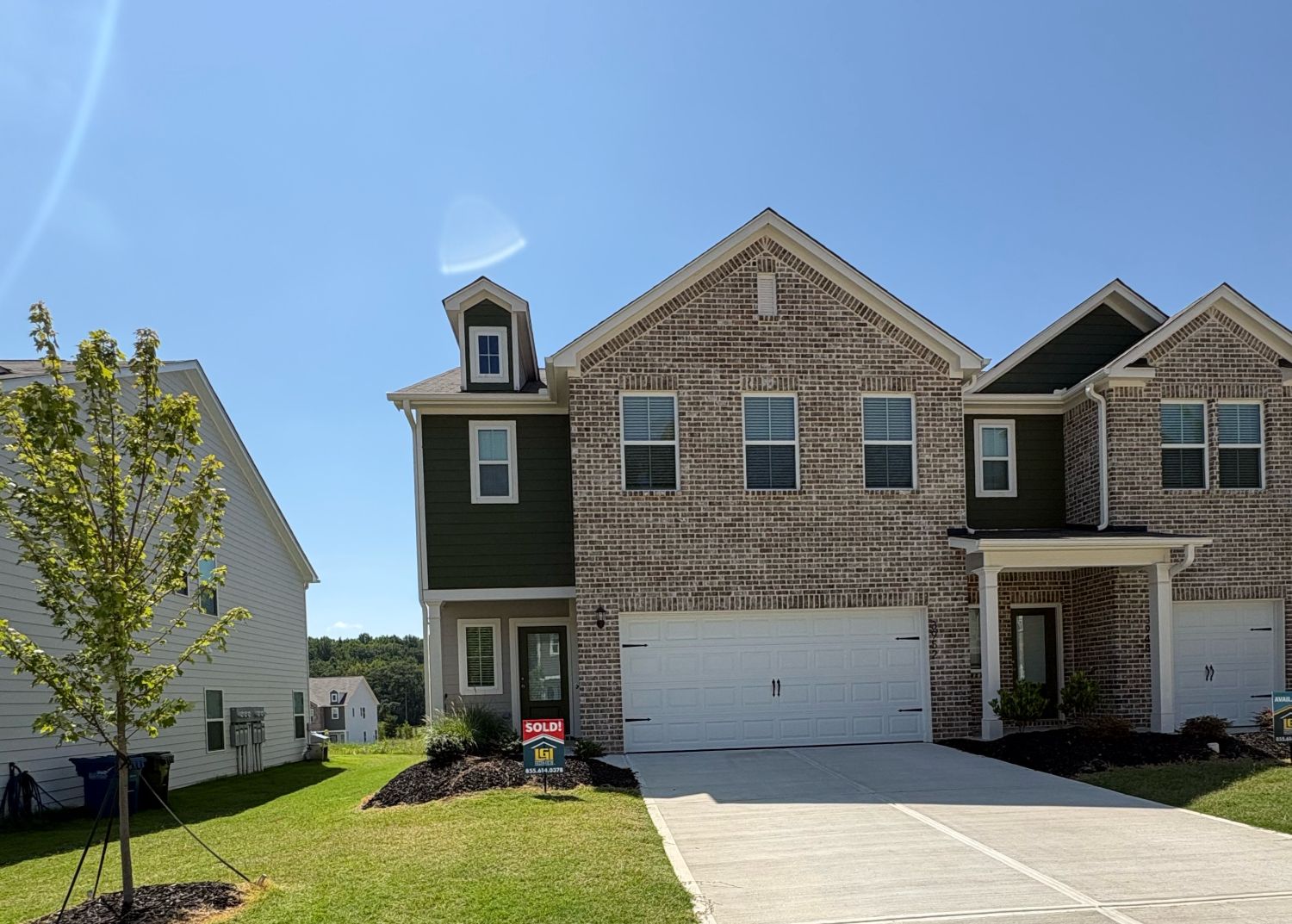
LGI Homes Oakwood GA

I'm a REALTOR®, not a lender — I'm not licensed to give mortgage or lending advice, and nothing in this post should be taken as such. What follows is simply what I'm seeing in the market as an agent working with buyers every day. If you have questions about rates, loan programs, or your specific financing situation, reach out to your own lender, or ask me — I'm happy to recommend a few trusted local lenders I've worked with.

Incentive structures and terms referenced below are general examples and change constantly by builder and community. Confirm current, specific incentive terms directly with each builder before making decisions.

Every builder sign in Hall County right now seems to be advertising some version of a deal — a rate special, a flex cash amount, a design center credit. These incentives are real and can genuinely save you money, but the marketing headline number is rarely the full story. Here's how to actually evaluate what a builder is offering, instead of just reacting to the number on the sign.

Rate Buy-Downs: Temporary vs. Permanent

This is the incentive getting the most attention right now, given where mortgage rates have been sitting through 2026. But not all rate buy-downs work the same way, and the difference matters enormously to your long-term budget.

A temporary buy-down — often structured as a 2-1 or 3-2-1 buy-down — reduces your rate for the first one to three years of the loan, then steps up to the full note rate for the remaining term. This can be a genuinely useful tool if you expect your income to grow or plan to refinance within that window, but it's not free money — it's a lower payment now in exchange for a return to standard payments later, and you need to budget for that step-up honestly.

A permanent buy-down lowers your rate for the full life of the loan, typically by having the builder pay discount points on your behalf at closing. This tends to be the more valuable incentive for buyers planning to stay in the home long-term, since the savings compound over the full 30-year term rather than disappearing after a few years.

Ask directly which structure is being offered, and run the actual numbers on both your near-term and long-term payment before assuming a lower advertised rate is automatically the better deal.

Preferred Lender Perks: Read the Fine Print

Many builders offer their most attractive incentives — rate buy-downs, closing cost credits — specifically for buyers who use the builder's preferred or affiliated lender. That's not inherently a red flag, but it does mean you should shop the preferred lender's actual rate and fees against at least one outside lender before assuming the incentive makes the preferred option the better overall deal. Sometimes the incentive more than offsets a slightly less competitive base rate; sometimes it doesn't. You won't know without comparing.

Want to see which builders are currently offering the strongest incentives across Hall County? Compare active builders.

Compare Gainesville Builders →

Flex Cash: Understand What It Can (and Can't) Be Used For

"Flex cash" or similar credit programs give buyers a set dollar amount that can typically be applied toward closing costs, rate buy-downs, or design center upgrades — but rarely all three without restriction, and rarely as cash back to you directly. Before you factor a flex cash offer into your decision, get the specific, written breakdown of exactly what it can be applied to. A $10,000 flex credit that can only go toward design center upgrades is a very different offer than $10,000 that can go toward your rate or closing costs, even though both get marketed with the same headline number.

Design Center Credits: Real Value or Marketing Padding?

Design center credits are one of the most commonly misunderstood incentives. A builder advertising a $15,000 design center credit sounds generous, but if the base home's standard finishes are already priced lower than a comparably built home elsewhere, that credit may simply be bringing your total closer to market rate rather than delivering genuine savings. Compare the finished, fully-optioned price — not just the base price plus credit — against a similar home from a different builder to see whether the credit is real value or a pricing structure designed to make the incentive look larger than it is.

Looking at the Total Deal, Not the Headline Number

This is the single most important habit for evaluating any builder incentive: add up the actual dollar impact of every incentive combined, compare that total against the home's full, fully-optioned price, and compare that number against what a similar home would cost from a different builder without the incentive. A builder advertising an aggressive rate buy-down on a home priced meaningfully above market can still end up costing more than a competitor's home with no incentive at all, once you run the real numbers.

Because I've spent 20+ years on the construction side of this industry, I also look at incentive offers with an eye toward what's actually included in the base build versus what's genuinely an upgrade — which matters just as much as the financing terms when you're comparing the total value of one builder's offer against another's.

Don't Let the Incentive Set the Timeline

Builders frequently attach urgency to incentive offers — end of quarter, end of month, limited-time rate specials. Some of that urgency is genuine, tied to real builder sales targets. Some of it is standard sales pressure. Either way, don't let a ticking clock push you into a decision before you've actually compared the total deal against your other options. A genuinely good incentive will usually still be reasonably comparable a few weeks later, even if the specific number shifts slightly.

See What's Actually Being Advertised Right Now

Reading about incentive structures in the abstract only gets you so far — I keep a running, actively-researched breakdown of what every builder we work with across Hall County is currently advertising, including specific rate programs and dollar figures where they're published. Check the current builder incentive tracker for real numbers, not just the theory.


Frequently Asked Questions

What's the difference between a temporary and permanent rate buy-down?
A temporary buy-down lowers your rate for a set initial period (often 1–3 years) before stepping up to the full note rate. A permanent buy-down lowers your rate for the entire loan term. Permanent buy-downs generally deliver more long-term value for buyers planning to stay in the home long-term.

Do I have to use the builder's preferred lender to get incentives?
Often, the most attractive incentives are tied to using the builder's preferred or affiliated lender, though this varies by builder. Compare the preferred lender's actual rate and fees against at least one outside lender before deciding.

What can flex cash typically be used for?
This varies significantly by builder and community — some flex cash can go toward closing costs, rate buy-downs, or design center upgrades, but rarely all three without restriction. Get the specific written terms before factoring it into your decision.

Are design center credits always a good deal?
Not automatically. Compare the fully-optioned price after applying the credit against a similar home from a different builder to determine whether the credit represents genuine savings or is offsetting a higher base price.

Should I feel pressured by a builder's limited-time incentive deadline?
Some urgency is genuine, but don't let a deadline push you into skipping a real comparison against other builders and financing options. A worthwhile incentive is usually still reasonably available a short time later, even if specific terms shift.

What happens after my builder's 1-year warranty expires?
When you allow me the opportunity to help you purchase a new construction home, you'll receive a complimentary 3-Year Extended 2-10 Warranty that picks up right where your builder's standard 1-year warranty leaves off — four years of covered protection total, at no added cost to you.


Why Work With The Flying Realtor?

What sets me apart is 20+ years of experience in all phases of new construction homes — from framing and electrical to roofing, siding, doors, windows, cabinets, and structural repairs. That background means I can evaluate what's genuinely included in a builder's base price versus what's an upgrade, which is essential to accurately comparing incentive offers across builders.

When you work with me, you'll get honest advice, responsive communication, and a trusted advocate who is committed to helping you achieve your real estate goals — not just complete a transaction. When you allow me the opportunity to help you purchase a new construction home, you'll also receive a complimentary 3-Year Extended 2-10 Warranty that begins the moment your builder's 1-year warranty ends — real, ongoing protection at no additional cost to you.

Explore Hall County Communities

Every community has its own unique character, lifestyle, and opportunities. Explore Gainesville, Flowery Branch, Oakwood, and Lake Lanier to find the local knowledge you need.

Visit the New Construction Resource Center

Explore builders, floor plans, upgrades, warranties, and the home building process in more depth at the New Construction Resource Center.

Want Help Evaluating a Specific Builder Incentive?

Book a free consultation and let's run the real numbers on any incentive offer before you sign. When you allow me the opportunity to help you purchase a new construction home, your builder's 1-year warranty is followed by a complimentary 3-Year Extended 2-10 Warranty at no cost to you — 4 years of covered protection total.

Book My Free Consultation →


This guide was created by Shannon Sanborn, The Flying Realtor with eXp Realty.

With more than 20 years of construction experience and extensive knowledge of Gainesville and Hall County, Shannon helps buyers and sellers make informed real estate decisions throughout North Georgia.

Whether you're buying, selling, or exploring new construction in Gainesville, Hall County, or the surrounding area, ExploreGainesvilleGA.com is your trusted local resource.

Notes on Accuracy

Incentive structures described (temporary/permanent buy-downs, flex cash, design center credits, preferred lender programs) reflect general new construction industry practices as of 2026 and are not specific to any single builder or community. Specific terms, amounts, and eligibility vary significantly and change frequently — confirm current details directly with each builder before making decisions. This article is not financial advice.
New Construction vs. Resale Homes in Gainesville, GA: Which Costs More?

by Shannon Sanborn

Gainesville & Hall County Real Estate Insights: practical guides, market updates and local knowledge from The Flying Realtor, Shannon Sanborn, eXp Realty

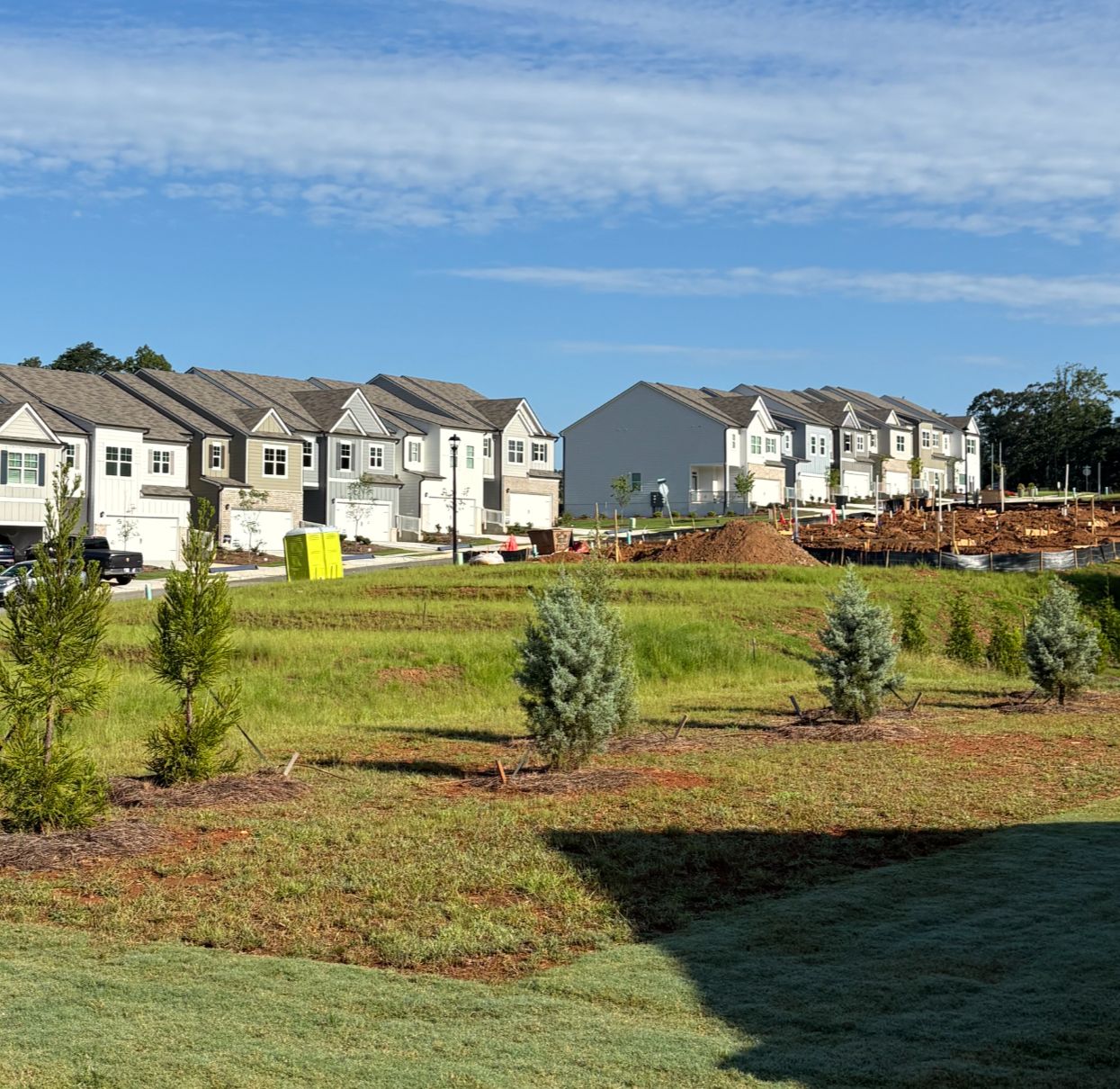
Avery Ridge Gains Mill Rd Gainesville, GA

I'm a REALTOR®, not a lender — I'm not licensed to give mortgage or lending advice, and nothing in this post should be taken as such. What follows is simply what I'm seeing in the market as an agent working with buyers every day. If you have questions about rates, loan programs, or your specific financing situation, reach out to your own lender, or ask me — I'm happy to recommend a few trusted local lenders I've worked with.

Figures below are illustrative examples based on market conditions as of August 2026, not quotes for any specific property. Confirm actual pricing, rates, and incentives with a lender and agent before making decisions.

This is the question I get asked more than almost any other right now, and it's the wrong question if you're only comparing purchase price. The real comparison buyers need is total monthly cost — mortgage payment, rate, taxes, insurance, and the maintenance costs a resale home is quietly carrying that a new build isn't. Once you run those numbers side by side, the answer often surprises people.

Money is only part of it. I cover inspections, contracts and warranties in new construction vs. resale: the real tradeoffs.

Purchase Price Isn't the Full Picture

Let's start with an honest example. Say a resale home in Gainesville is listed at $360,000, and a comparable new construction home in a nearby community is priced at $395,000 — a $35,000 gap that looks decisive on paper. But purchase price alone tells you almost nothing about what you'll actually pay monthly, because it ignores two of the biggest variables: the interest rate you'll actually finance at, and what the resale home is going to cost you in maintenance the builder's home won't.

Running the Actual Monthly Numbers

Here's where it gets interesting. If that new construction home comes with a builder-sponsored rate buy-down bringing the effective rate down meaningfully below the standard market rate, while the resale home is financed at the current average 30-year fixed rate — which has been sitting in the high 6% range as of August 2026 — the monthly payment gap between the two homes can shrink dramatically, or in some cases, flip entirely in the new construction home's favor despite its higher sticker price.

Add property taxes into the comparison and the picture shifts again. Because of how Georgia assesses new construction in its first year, a brand-new home's initial tax bill can actually come in lower than a comparable resale home's fully assessed bill — though that gap narrows in year two once the new home is assessed at full completed value.

Illustrative Example: Resale vs. New Construction, Total Monthly Cost

  Resale Home New Construction
Purchase Price $360,000 $395,000
Financing Rate Standard market rate (illustrative: 6.75%) Builder rate buy-down (illustrative: 5.25%)
Loan Amount (20% down) $288,000 $316,000
Est. Monthly P&I ~$1,868* ~$1,745* (~$123/mo lower despite the higher price)
Year 1 Property Tax Fully assessed from day one Often assessed on land value only — potentially lower in year one
Near-Term Maintenance Risk Real risk of a $8,000–$12,000+ roof or HVAC replacement within 3–5 years, depending on system age None — all major systems new as of closing
Builder Warranty None, unless a transferable policy is still active 1-year builder workmanship warranty + structural coverage

*Illustrative principal & interest only, based on a 30-year fixed loan with 20% down at the stated rates — does not include taxes, insurance, HOA, or PMI. Not a quote for any specific property or loan program. Swipe left/right to see the full table on mobile.

The Cost Resale Buyers Often Forget to Budget

This is the piece that rarely makes it into a side-by-side price comparison, but it's real money. A resale home that's ten or fifteen years old is statistically closer to needing a new roof, a new HVAC system, or major appliance replacements than a brand-new build is. None of that shows up as a line item on the listing — it shows up eighteen months after closing, as an unplanned expense.

A buyer comparing a $360,000 resale home to a $395,000 new build needs to honestly ask: what's the realistic chance this resale home needs a $12,000 roof or an $8,000 HVAC system in the next three to five years? If the answer is meaningful, that cost belongs in the comparison just as much as the interest rate does — it's simply deferred rather than eliminated.

Want a real side-by-side comparison for a specific home you're considering? Explore active new construction communities across Hall County.

Explore All New Construction Communities →

Where Resale Still Wins

This isn't a one-sided argument for new construction. Resale homes in established Gainesville neighborhoods often come with mature landscaping, larger lots, and character that a brand-new subdivision simply can't replicate for years. Resale negotiations also tend to be more flexible on price directly, since you're negotiating with an individual seller rather than a builder holding firm on base pricing. And resale typically closes faster — often 30 to 45 days versus a construction timeline that can run several months for a to-be-built home.

If your priority is an established neighborhood, mature trees, or a faster move-in timeline, those factors matter and shouldn't be discounted just because the monthly payment math favors new construction in a given scenario.

How My Construction Background Changes This Conversation

Because I spent 20+ years actually doing this work — framing, electrical, plumbing — I don't just compare listing sheets. When I walk a resale home with a client, I can give a realistic read on how many years are actually left on that roof or that HVAC system, not just what the seller's disclosure says. That turns a vague "maybe you'll need repairs eventually" into a concrete number that belongs in your total cost comparison.

The Bottom Line: Run Your Own Numbers

The honest answer to "which costs more" is: it depends entirely on the specific properties, the specific rate each one qualifies for, and the specific condition of the resale home's major systems. Anyone who gives you a blanket answer without running your actual numbers is guessing. The right move is comparing real total monthly cost — mortgage, taxes, insurance, and realistic near-term maintenance — on the actual properties you're considering, not the purchase price alone.


Frequently Asked Questions

Is new construction always more expensive than resale in Gainesville, GA?
Not necessarily. While new construction often has a higher purchase price, builder rate buy-downs and the absence of near-term deferred maintenance can make the total monthly cost comparable to or lower than a resale home, depending on the specific properties and financing involved.

How do I fairly compare a new build to a resale home?
Compare total monthly cost — mortgage payment at your actual qualified rate, property taxes, insurance, and any HOA fees — rather than purchase price alone. Factor in the realistic likelihood of near-term maintenance costs on the resale option.

Do new construction homes have lower property taxes?
Sometimes, in the first year, since new construction may be assessed on land value alone depending on timing relative to the county's assessment date. That gap typically narrows once the home is fully assessed in year two.

What hidden costs should I expect with a resale home?
Aging roofs, HVAC systems nearing the end of their lifespan, outdated insulation and windows, and appliances that may need replacement are common costs that don't show up in the purchase price but affect total cost of ownership.

What happens after my builder's 1-year warranty expires?
When you allow me the opportunity to help you purchase a new construction home, you'll receive a complimentary 3-Year Extended 2-10 Warranty that picks up right where your builder's standard 1-year warranty leaves off — four years of covered protection total, at no added cost to you.


Why Work With The Flying Realtor?

What sets me apart is 20+ years of experience in all phases of new construction homes — from framing and electrical to roofing, siding, doors, windows, cabinets, and structural repairs. I've worked on homes from the ground up, which means I can give you a realistic read on a resale home's actual remaining system life, not just what's disclosed on paper.

That experience allows me to see beyond cosmetic finishes and provide insights that help protect one of your biggest investments — especially when comparing new construction and resale in Hall County.

When you work with me, you'll get honest advice, responsive communication, and a trusted advocate who is committed to helping you achieve your real estate goals — not just complete a transaction. When you allow me the opportunity to help you purchase a new construction home, you'll also receive a complimentary 3-Year Extended 2-10 Warranty that begins the moment your builder's 1-year warranty ends — real, ongoing protection at no additional cost to you.

Explore Hall County Communities

Every community has its own unique character, lifestyle, and opportunities. Explore Gainesville, Flowery Branch, Oakwood, and Lake Lanier to find the local knowledge you need.

Visit the New Construction Resource Center

Explore builders, floor plans, upgrades, warranties, and the home building process in more depth at the New Construction Resource Center.

Want a Real Side-by-Side on Homes You're Actually Considering?

Book a free consultation and let's compare true total monthly cost on the specific new construction and resale homes on your list. When you allow me the opportunity to help you purchase a new construction home, your builder's 1-year warranty is followed by a complimentary 3-Year Extended 2-10 Warranty at no cost to you — 4 years of covered protection total.

Book My Free Consultation →


This guide was created by Shannon Sanborn, The Flying Realtor with eXp Realty.

With more than 20 years of construction experience and extensive knowledge of Gainesville and Hall County, Shannon helps buyers and sellers make informed real estate decisions throughout North Georgia.

Whether you're buying, selling, or exploring new construction in Gainesville, Hall County, or the surrounding area, ExploreGainesvilleGA.com is your trusted local resource.


How Gainesville Home Sellers Can Compete With New Construction

by Shannon Sanborn

Gainesville & Hall County Real Estate Insights: practical guides, market updates and local knowledge from The Flying Realtor, Shannon Sanborn, eXp Realty

Avery Ridge Gainesville, GA

I'm a REALTOR®, not a lender — where this post touches on rate buy-downs or financing concessions, that's general strategy, not lending advice. Talk to a lender about structuring any financing concession before offering one.

Market data below reflects conditions as of August 2026 and changes regularly. Confirm current comparable sales and market conditions with your agent before setting a listing strategy.

If you're selling a resale home in Gainesville or anywhere in Hall County right now, you're not just competing against other resale listings — you're competing against builders who can offer rate buy-downs, brand-new systems, and design center customization that an existing home simply can't match feature for feature. That's a real shift, and pretending it isn't happening doesn't help you sell. Here's how to actually compete.

Understand What You're Up Against First

Hall County's active listing inventory has climbed meaningfully year over year, putting the market into more balanced, buyer-favorable territory than it's been in recent years. At the same time, new construction communities across Gainesville Township, Flowery Branch, and Oakwood are actively marketing rate incentives that individual sellers can't replicate. Buyers comparing your home against a new build aren't just weighing your kitchen against theirs — they're weighing your financing terms against a builder's, and builders currently have real leverage there.

That's the environment you're selling into. It doesn't mean your home can't compete — it means the strategy has to account for it directly instead of hoping buyers won't notice.

Price Strategically, Not Aspirationally

In a market with rising inventory and longer average time on market, pricing even slightly above where comparable sales support puts your listing at a real disadvantage. Overpriced listings sit longer, require multiple price reductions, and often ultimately sell for less than they would have if priced accurately from day one — while every extra month on market costs you in carrying costs, whether that's your existing mortgage, taxes, insurance, or a bridge situation if you're also trying to buy your next home.

Pricing within a tight range of true recent comparable sales, rather than reaching for an aspirational number, tends to generate faster offers and stronger buyer interest — particularly in a market where buyers have real alternatives, including new construction down the road.

Offer Concessions That Actually Compete With Builder Incentives

Builders are winning buyers right now largely through financing incentives — rate buy-downs and closing cost credits. Sellers can compete directly on this front by offering a closing cost credit or a rate buy-down contribution of your own, structured through your buyer's lender. This puts your home on more even financing footing with new construction, without necessarily reducing your net price as dramatically as a straight price cut would.

Wondering what new construction communities near you are actually offering buyers right now? See what you're competing against.

Explore Active New Construction Communities →

Get Ahead of Inspection Concerns With a Pre-Listing Inspection

One of new construction's biggest advantages is the psychological comfort of "nothing's broken yet." You can address that directly with a pre-listing inspection, which surfaces any issues before a buyer's inspector does and gives you the chance to either fix them proactively or price the home with full transparency. This heads off the renegotiation-after-inspection scenario that kills momentum on a lot of resale deals, and it lets you market your home as inspection-ready — a real point of confidence for buyers who are nervous about what they might not be able to see.

Because I spent 20+ years in construction before becoming a REALTOR®, I can often walk a listing with a seller and flag likely inspection issues before we ever put a pre-listing inspector on the clock — which saves both time and money in getting the home genuinely market-ready.

Update the Presentation, Not Necessarily the Whole House

You don't need to renovate a resale home into a new build to compete with one — that's rarely a good return on investment. What does matter is addressing the things that make a home feel dated at first impression: fresh paint in neutral tones, updated lighting fixtures, decluttered and depersonalized staging, and strong curb appeal. Buyers touring a new construction model home right before touring your resale listing are making an instant visual comparison, whether they mean to or not. A clean, well-presented resale home closes that gap significantly, even without a full renovation.

Managing Days on Market Proactively

The longer a home sits, the more buyers assume something's wrong with it — even when the truth is simply that it was priced too high initially. If your home crosses 30 days without strong activity, that's the moment to revisit pricing and strategy honestly rather than waiting it out, especially in a market where new construction inventory keeps adding fresh competition every month.

The Bottom Line for Sellers

Competing with new construction isn't about matching a builder feature for feature — it's about pricing accurately from day one, offering financing concessions that address the real reason buyers are drawn to new builds, getting ahead of inspection surprises, and presenting your home so it doesn't lose on first impression before a buyer even walks in.


Frequently Asked Questions

Can a resale home really compete with new construction on price?
Yes, particularly when priced accurately against true comparable sales from the start. Overpricing in a market with rising inventory puts resale listings at a real disadvantage against actively marketed new construction.

Should I offer a rate buy-down as a seller?
It's worth considering, since builders are currently winning buyers largely through financing incentives. A seller-funded rate buy-down or closing cost credit can help your listing compete on the same terms.

Is a pre-listing inspection worth it in this market?
Often, yes. It surfaces issues before a buyer's inspector does, reduces the risk of renegotiation after a buyer's inspection, and lets you market the home with more confidence to buyers who are also considering "nothing's broken yet" new construction.

How long should I wait before adjusting my price if the home isn't selling?
If your home crosses roughly 30 days without strong activity, it's worth revisiting pricing and strategy honestly rather than waiting, particularly in a market with rising inventory and active new construction competition.

Do I need to fully renovate my home to compete with new construction?
Not usually. Fresh paint, updated lighting, decluttered staging, and strong curb appeal typically deliver a better return than a full renovation, and address the first-impression gap that matters most against a new build.


Why Work With The Flying Realtor?

What sets me apart is 20+ years of experience in all phases of new construction and residential construction — from framing and electrical to roofing, siding, doors, windows, cabinets, and structural repairs. That background means I can walk your listing before we go to market and flag likely inspection concerns before a buyer's inspector does, helping you price and present with real confidence instead of guesswork.

When you work with me, you'll get honest advice, responsive communication, and a trusted advocate who is committed to helping you achieve your real estate goals — not just complete a transaction.

Explore Hall County Communities

Every community has its own unique character, lifestyle, and opportunities. Explore Gainesville, Flowery Branch, Oakwood, and Lake Lanier to find the local knowledge you need.

Ready to Build a Strategy That Actually Competes?

Book a free consultation and let's price, present, and position your home strategically against the new construction competition in your area.

Book My Free Consultation →


This guide was created by Shannon Sanborn, The Flying Realtor with eXp Realty.

With more than 20 years of construction experience and extensive knowledge of Gainesville and Hall County, Shannon helps buyers and sellers make informed real estate decisions throughout North Georgia.

Notes on Accuracy

Market conditions referenced (Hall County inventory growth, buyer-favorable shift) reflect general local market reporting as of mid-2026. Confirm current comparable sales, inventory levels, and days-on-market data with your agent using current MLS data before setting a listing strategy. This article is general guidance, not a guarantee of any specific sale outcome

Whether you're buying, selling, or exploring new construction in Gainesville, Hall County, or the surrounding area, ExploreGainesvilleGA.com is your trusted local resource.

Why Buyers Are Choosing New Construction in Gainesville, GA

by Shannon Sanborn

Gainesville & Hall County Real Estate Insights: practical guides, market updates and local knowledge from The Flying Realtor, Shannon Sanborn, eXp Realty

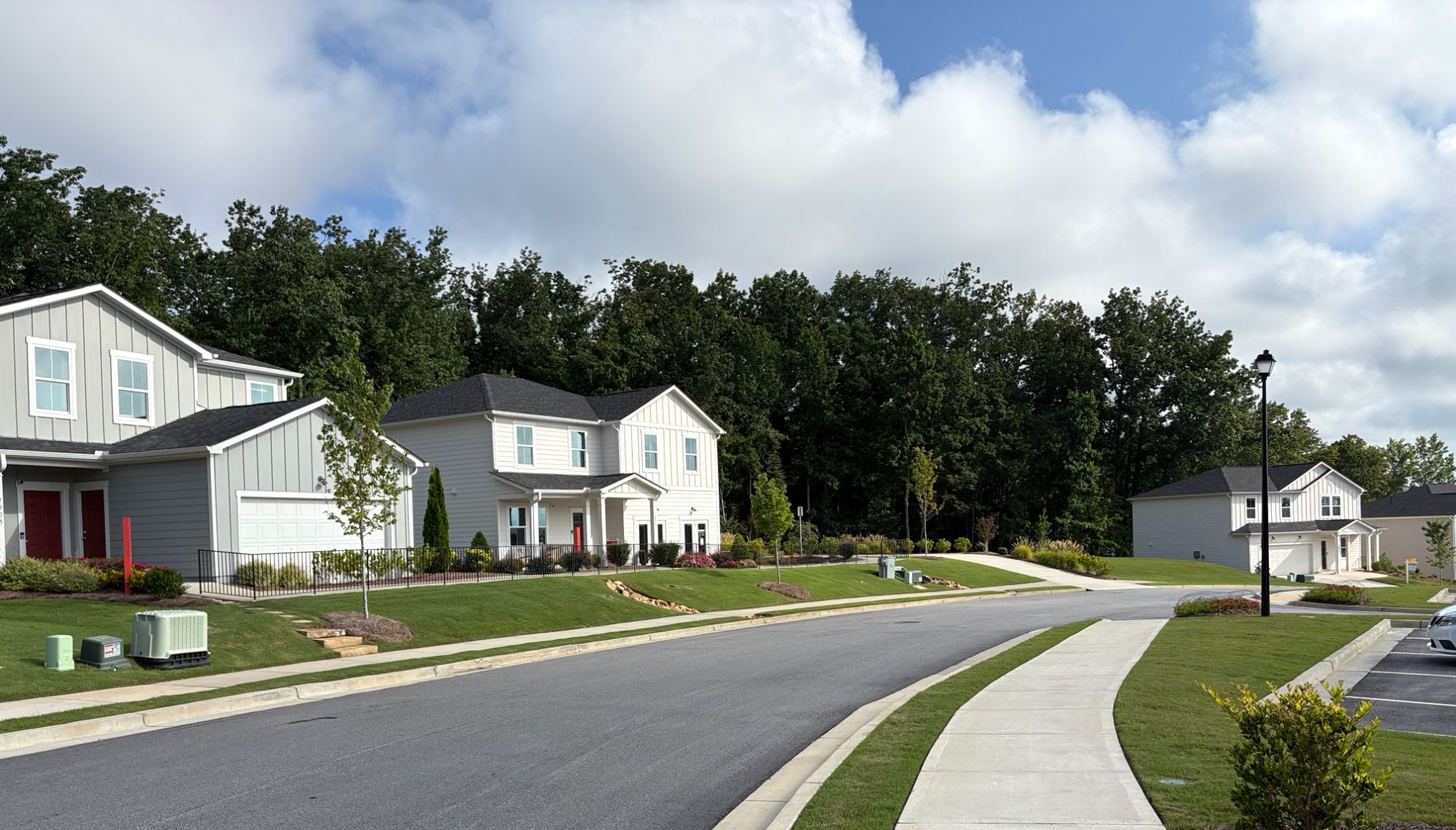
Villiage at Pine Valley Gainesville, GA

Market data referenced below reflects conditions as of August 2026 and changes regularly. Confirm current rates and incentives directly with a lender and builder before making decisions.

Something's shifted in how buyers in Gainesville and across Hall County are thinking about their next home. It's not that resale homes have gotten less appealing on paper — it's that new construction has gotten a lot more competitive on the things that actually matter to a monthly budget. Rate buy-downs, lower maintenance costs, and energy efficiency have turned what used to be a simple "new versus old" style preference into a real financial decision, and increasingly, that decision is landing on new construction.

The Rate Buy-Down Advantage

Here's the piece most resale sellers can't compete with directly. As of August 2026, the average 30-year fixed mortgage rate has been sitting in the high 6% range — higher than it was a year ago, and enough to meaningfully change what a buyer can afford. National builders have responded by leaning hard into rate buy-downs, using their in-house or preferred lending arms to offer buyers a lower effective rate than they'd get shopping the open market on a comparable resale purchase.

A private resale seller in Flowery Branch or Oakwood simply doesn't have the capital structure to offer that kind of financing incentive. A builder selling dozens of homes across Gainesville Township or a Flowery Branch community can absorb the cost of a rate buy-down into their overall pricing and volume in a way an individual homeowner never could. For a buyer, that difference can mean a meaningfully lower monthly payment on a new home compared to a similarly priced resale home financed at the standard market rate.

Total Cost of Ownership, Not Just Purchase Price

Buyers comparing a new build to an older home purely on sticker price are missing most of the actual math. A resale home built ten, twenty, or thirty years ago is carrying deferred maintenance whether or not it shows up in the listing photos — an aging roof, an HVAC system approaching the end of its life, outdated insulation, single-pane windows. None of that is optional spending. It's simply a matter of when, not if, those costs show up.

New construction starts that clock at zero. Every major system — roof, HVAC, water heater, windows — begins its full expected lifespan the day you close. That doesn't mean a new home is maintenance-free, but it does mean the big-ticket, unavoidable expenses that hit older resale homes are pushed years or even decades further out.

Energy Efficiency Is a Real Monthly Number, Not a Marketing Line

New construction in Hall County is generally built to more current energy codes than a home from even fifteen years ago — better insulation, more efficient HVAC systems, tighter building envelopes. In Georgia's climate, where summer cooling costs are a real line item in most household budgets, that efficiency gap shows up directly on the utility bill, month after month, for as long as you own the home.

Structural Warranties Buyers Don't Get With Resale

Every new construction home comes with builder warranty coverage that a resale home simply doesn't have. Most builders provide a one-year workmanship warranty as standard, with longer coverage on major structural and systems components. A resale home, by contrast, offers no such protection unless the seller happens to be transferring an existing warranty that hasn't expired — which is rare once a home is more than a few years old.

This is also where working with the right agent changes the math further. When you allow me the opportunity to help you purchase a new construction home, your builder's standard 1-year warranty is followed by a complimentary 3-Year Extended 2-10 Warranty at no cost to you — four years of covered protection total, layered directly on top of what the builder already provides.

Curious what a builder rate buy-down could actually save you? Explore active new construction communities across Gainesville, Flowery Branch, and Oakwood.

Explore All New Construction Communities →

New Construction vs. Resale: The Real Comparison

  New Construction Resale Home
Financing Builder rate buy-downs often available, lowering effective monthly payment Financed at standard market rate; individual sellers can't offer buy-downs
Major Systems Roof, HVAC, water heater all start at zero — full expected lifespan ahead Systems already partway through their lifespan; replacement timing unknown
Energy Efficiency Built to current energy codes — better insulation, tighter envelope Older codes and materials often mean higher monthly utility costs
Warranty Coverage Builder 1-year workmanship warranty, plus structural coverage Typically no warranty unless a transferable policy happens to still be active
Deferred Maintenance None — first owner of every system, full visibility into installation Inherits the previous owner's postponed repairs, disclosed or not

Comparison reflects general patterns as of August 2026 and is not a quote for any specific property. Individual homes vary. (Swipe left/right to see full table on mobile.)

Avoiding Immediate Deferred Maintenance

Buying a resale home almost always means inheriting somebody else's postponed decisions. Maybe the seller knew the roof needed replacing in the next two or three years and priced accordingly, or maybe they didn't disclose it because they genuinely didn't know. Either way, that cost transfers to the new owner the moment the sale closes.

New construction sidesteps that entirely. You're not buying a home shaped by someone else's maintenance choices — you're the first owner of every system in it, with full visibility into what was installed, when, and by whom.

Why This Is Showing Up More in Gainesville Specifically

Hall County's new construction pipeline — from Gainesville Township to communities in Flowery Branch and Oakwood — gives buyers more competitive options than they had a few years ago, right at the moment resale inventory has also loosened up. That combination matters: buyers aren't choosing new construction because resale isn't available: they're choosing it because, dollar for dollar, it's increasingly the better financial decision once rate incentives, warranty coverage, and deferred maintenance are all factored in together.


Frequently Asked Questions

Is new construction more affordable than resale right now in Gainesville, GA?
It depends on the specific properties being compared, but builder rate buy-downs can meaningfully lower the effective monthly payment on new construction relative to a resale home financed at standard market rates. Compare actual numbers on specific properties rather than assuming either category is cheaper.

What is a rate buy-down and how does it work?
A rate buy-down is when a builder (often through a preferred or in-house lender) reduces a buyer's effective mortgage interest rate, either temporarily or for the life of the loan, by paying an upfront cost to the lender. This can lower monthly payments compared to standard market financing.

Do new construction homes really save money on utilities?
Generally, yes. New construction is built to more current energy codes with better insulation, windows, and HVAC efficiency than older resale homes, which typically shows up as lower monthly utility costs.

What warranty protection comes standard with new construction?
Most builders provide at least a one-year workmanship warranty, with longer coverage on major structural and systems components. Resale homes typically have no such protection unless a transferable warranty happens to still be active.

What happens after my builder's 1-year warranty expires?
When you allow me the opportunity to help you purchase a new construction home, you'll receive a complimentary 3-Year Extended 2-10 Warranty that picks up right where your builder's standard 1-year warranty leaves off — four years of covered protection total, at no added cost to you.


Why Work With The Flying Realtor?

What sets me apart is 20+ years of experience in all phases of new construction homes — from framing and electrical to roofing, siding, doors, windows, cabinets, and structural repairs. I've worked on homes from the ground up.

That experience allows me to see beyond cosmetic finishes and provide insights that help protect one of your biggest investments — especially when buying new construction in Hall County.

When you work with me, you'll get honest advice, responsive communication, and a trusted advocate who is committed to helping you achieve your real estate goals — not just complete a transaction. When you allow me the opportunity to help you purchase a new construction home, you'll also receive a complimentary 3-Year Extended 2-10 Warranty that begins the moment your builder's 1-year warranty ends — real, ongoing protection at no additional cost to you.

Explore Hall County Communities

Every community has its own unique character, lifestyle, and opportunities. Explore Gainesville, Flowery Branch, Oakwood, and Lake Lanier to find the local knowledge you need.

Visit the New Construction Resource Center

Explore builders, floor plans, upgrades, warranties, and the home building process in more depth at the New Construction Resource Center.

Want to Compare the Real Numbers Before You Decide?

Book a free consultation and let's run the actual math on new construction versus resale for your specific budget. When you allow me the opportunity to help you purchase a new construction home, your builder's 1-year warranty is followed by a complimentary 3-Year Extended 2-10 Warranty at no cost to you — 4 years of covered protection total.

Book My Free Consultation →

Notes on Accuracy

Mortgage rate figures reference Freddie Mac's weekly Primary Mortgage Market Survey and Bankrate data as of early-to-mid August 2026 (30-year fixed averaging roughly 6.7%–6.8%). Rates change frequently — confirm current figures with a lender before relying on them. This article is not financial or lending advice.


This guide was created by Shannon Sanborn, The Flying Realtor with eXp Realty.

With more than 20 years of construction experience and extensive knowledge of Gainesville and Hall County, Shannon helps buyers and sellers make informed real estate decisions throughout North Georgia.

Whether you're buying, selling, or exploring new construction in Gainesville, Hall County, or the surrounding area, ExploreGainesvilleGA.com is your trusted local resource.